Bethesda sits just outside Washington, D.C., and it's a major employment hub in its own right - not just a bedroom community for federal workers. Marriott International and Lockheed Martin both have their headquarters here, and the local economy draws thousands of workers every year because of it.
Whether living in Bethesda makes sense for you comes down to three things: your budget, your commute, and how you want to live day-to-day. The area gives you dense, walkable downtown blocks and quieter residential streets, so buyers and renters actually have real choices.
Why Young Professionals Choose Bethesda, MD
The job market in Bethesda is anchored by some genuinely large employers. Naval Support Activity Bethesda employs roughly 11,690 people. The nearby FDA headquarters campus brings in about 13,130 workers. Those two facilities alone put an enormous number of professionals in close proximity to the housing market.
On the private side, Marriott International runs 5,500 employees out of its headquarters here, and Lockheed Martin accounts for another 4,690. That concentration of major employers keeps the daytime population high and the local economy on solid footing.
Rent Prices and the Cost of Living
Housing costs run higher than the national average - that's not a surprise to anyone who's spent five minutes looking at listings. Zillow data puts the median rent across all property types in Bethesda at roughly $3,000, which is about 50% above the national median.
If you're focused on one-bedroom apartments specifically, estimates generally land between $2,454 and $2,575 per month. Buyers face a steep market too, with the median home sale price sitting around $1,375,000 as of mid-2026.
Daily Lifestyle and Social Scene
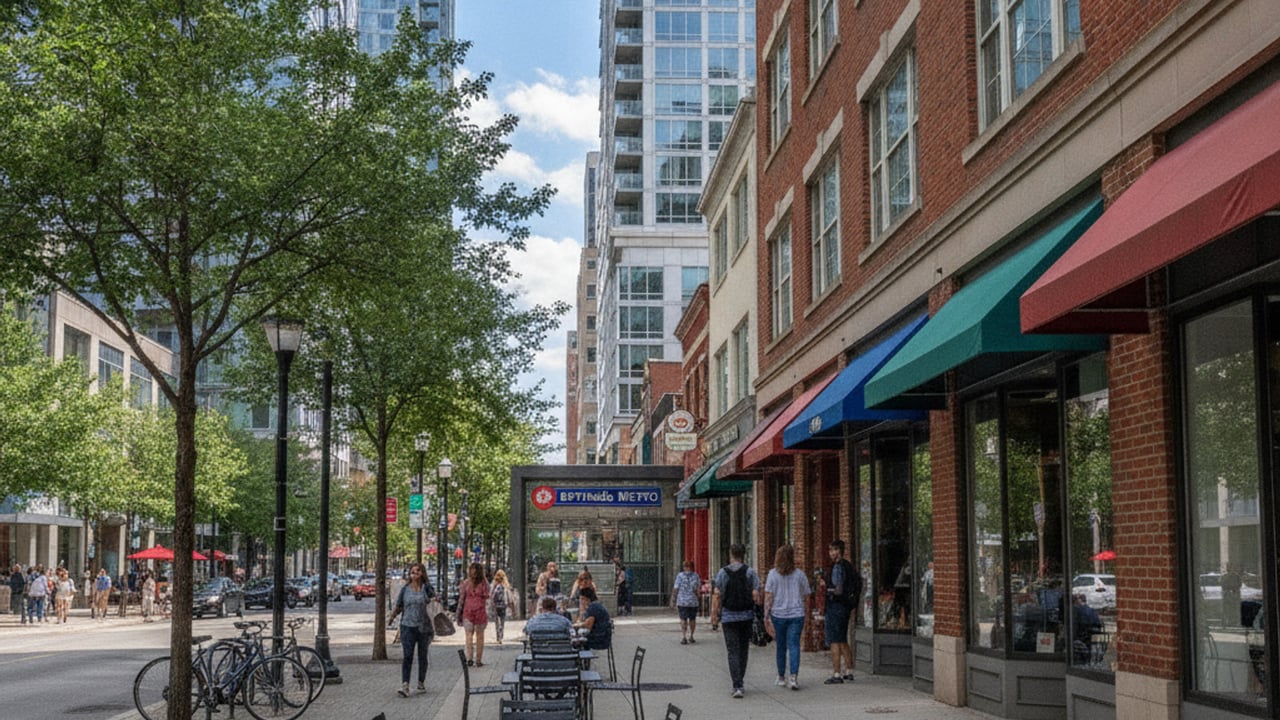
Downtown Bethesda is where most of the action is. If you want a variety of things to do in Bethesda, the streets surrounding the Bethesda Metro station pack in almost 200 restaurants, alongside live music venues and art galleries. It's a lot for a suburban downtown.
That density earns the downtown core a Walk Score of up to 99. Residents here can walk from their apartment to dinner, to a Capital Bikeshare station, to the Metro - without touching a car key. For a lot of young professionals, that alone justifies the rent premium.
Top Bethesda Neighborhoods to Consider
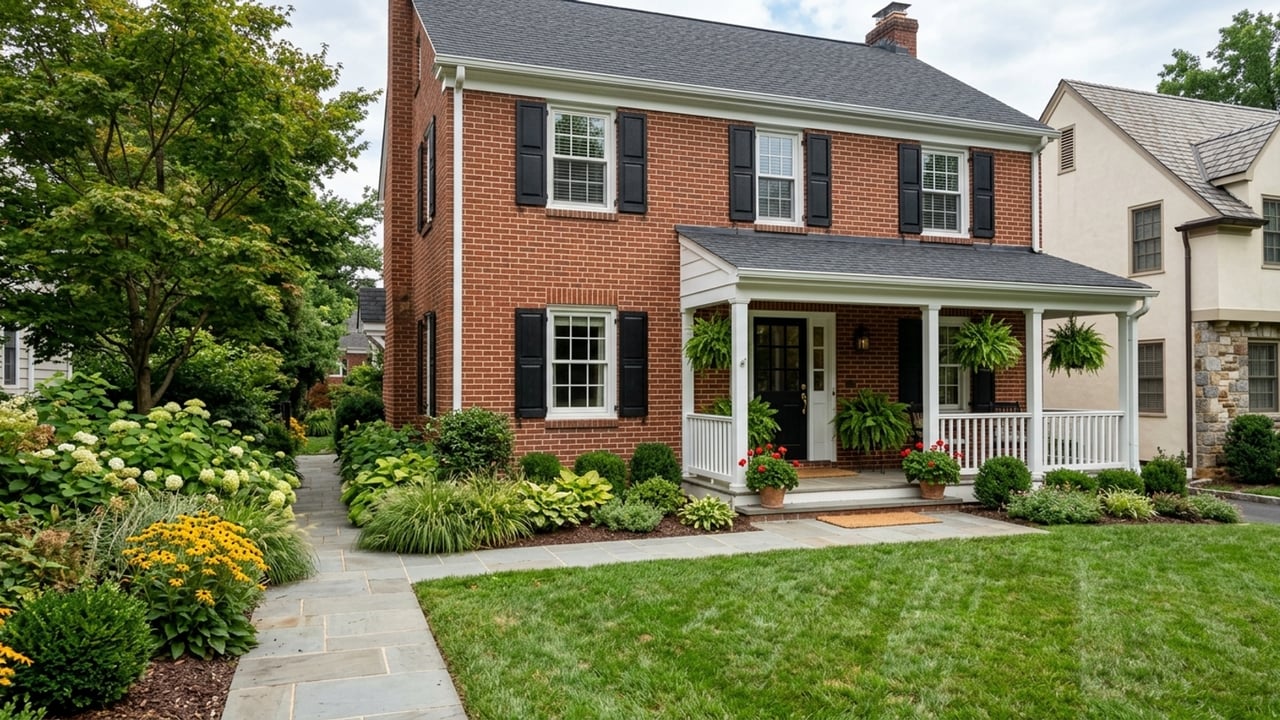
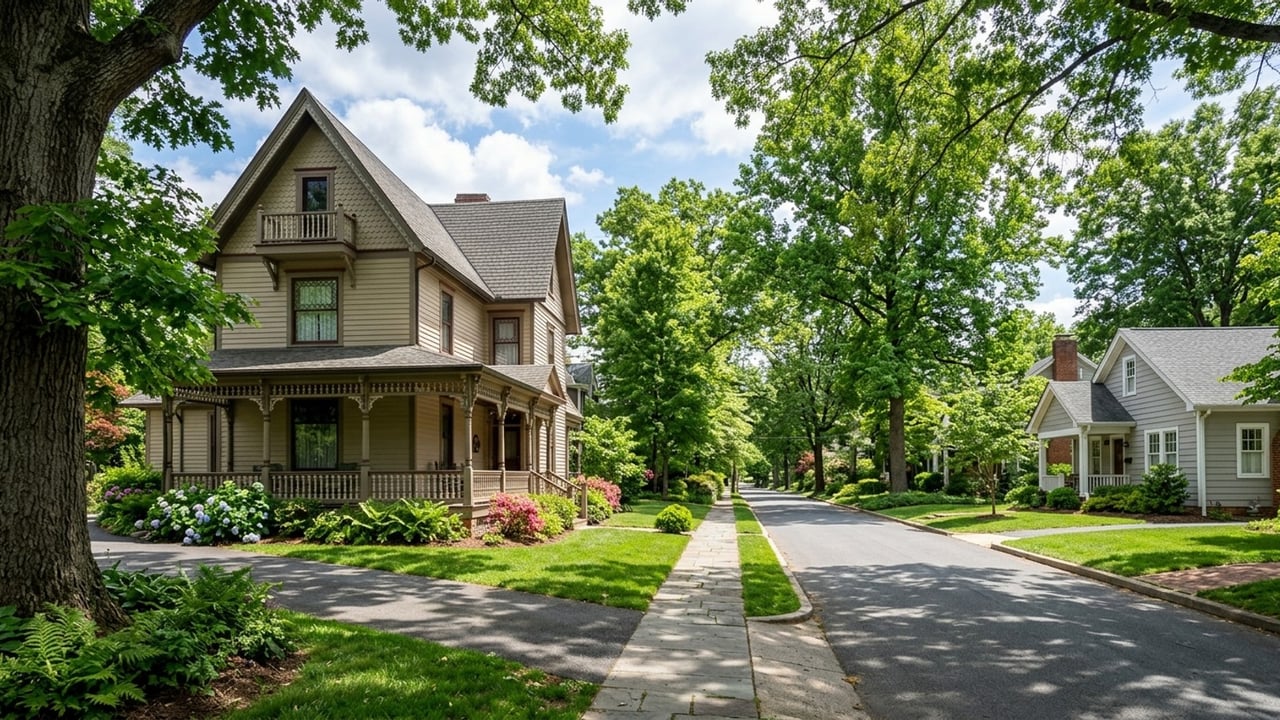
Bethesda has dozens of distinct neighborhoods, ranging from high-rise condo districts to quiet streets lined with single-family homes. Areas like Edgemoor, Wyngate, Wood Acres, and Somerset each have their own character and price points, so it's worth narrowing down what actually matters to you before you start touring.
Downtown Bethesda and the Woodmont Triangle see the most activity around new luxury condos and mixed-use development. Both sit right on transit lines, which makes them the first stop for commuters heading into Washington, D.C.
Downtown Bethesda and Woodmont Triangle for Walkability
If eliminating car dependency is your priority, Downtown Bethesda - including Bethesda Row and Woodmont Triangle - is where you'd look first. Shops, grocery stores, and restaurants are right outside your door.
You'll pay for it. Downtown Bethesda, Bethesda Row, and Edgemoor rank among the most expensive neighborhoods in the city for both renters and buyers. That's the trade-off, and it's a straightforward one.
Westwood and Wildwood Manor for Better Values
Westwood, Wildwood Manor, and West Chevy Chase Heights typically offer rents below the citywide average. If you need more square footage for the same monthly payment, moving slightly away from the downtown core is how you get it.
Parkside Condominiums also ranks as a more affordable option for renters fairly consistently. None of these neighborhoods are far from the action - the trade-off in distance is real, but it's not dramatic.
Transit Access and Commuting Options
The Bethesda Metro station on the Red Line is one of the busiest suburban stations in the system, serving over 5,800 weekday passengers. It sits about 140 feet underground at 7450 Wisconsin Avenue and connects directly to Metrobus and the Montgomery County Ride On system.
Your options will expand when the Purple Line light rail debuts, currently slated for 2027. That line terminates at the Bethesda station and adds a direct east-west connection to Silver Spring, College Park, and New Carrollton - routes that right now require either a car or a trip through D.C.
Renting an Apartment in the Area
The citywide average rent sits around $2,455 per month, but that number moves significantly depending on the neighborhood. Living right next to the Red Line can add hundreds of dollars to a monthly lease compared to streets just a few blocks further out.
First-time renters should also factor in parking costs if they're keeping a car in the downtown core. Many high-rise buildings charge separate monthly fees for garage access, and that number adds up fast when you're already at the top of your budget.
Average Rent by Neighborhood
The price gap between neighborhoods is real and worth paying attention to. Renting in Bethesda Row or Edgemoor puts you at the top of the local market - that's just where those areas sit.
Looking at units in Westwood or Wildwood Manor can keep your monthly costs closer to the $2,000 mark. The honest question is how much the walkability premium is actually worth to you on a daily basis.
Choosing Building Amenities
Newer developments in the Woodmont Triangle often come with rooftop pools, fitness centers, and co-working spaces. If you're working remotely and want those amenities down the hall, these buildings are built for that.
Older garden-style apartments in neighborhoods like Parkside offer fewer community features but a lower barrier to entry. Before you pay extra for a rooftop pool, think honestly about how often you'd use it.
Networking and Social Groups in the Area
Building a professional network in Bethesda often starts on the campus where you work. With organizations like NOAA employing 4,600 people and Adventist HealthCare employing 4,290, a lot of residents make their first local connections through their own employer or industry associations.
The proximity to Washington, D.C. extends your reach considerably. The Red Line gives you a direct link to national conferences, trade associations, and regional networking events across the capital - a short Metro ride away rather than a commute.
Connecting Through Major Employers
Healthcare, defense, and hospitality anchor the local economy, and the internal networks inside those institutions are substantial. Professionals at Holy Cross Hospital, which employs around 3,900 people, or Giant Food, with roughly 3,150 employees, often find that professional development programs and community initiatives run through the organization itself.
It's a different dynamic than a city where you're building a network from scratch.
Leveraging the D.C. Metro Area
Living in Bethesda puts you within easy reach of everything happening in downtown Washington, D.C. The Medical Center Metro and North Bethesda Metro stations both offer quick access to regional events.
Whether your work is in government contracting, biotech, or something else entirely, the transit connections make it practical to attend evening meetups and industry panels across the metro area without it becoming a production.
Practical Tips for Moving to Bethesda
Relocating to Montgomery County takes some upfront planning, particularly around your daily commute. The Washington D.C. metro area is known for heavy traffic, and your choice of neighborhood has a direct impact on how much of your day you spend in it.
Map out your route to work before you sign a lease or put in an offer. Proximity to the Red Line or major bus routes can realistically save hours of driving per week - that's not an exaggeration in this market.
Balancing Your Housing Budget
With a median home sale price of $1,375,000, buying here requires real capital. Homes currently spend an average of 24 days on the market, and roughly 42% sell above list price. That's a competitive environment, and buyers who show up unprepared tend to learn that lesson quickly.
Come with a solid financing plan. If buying isn't within reach right now, renting in more affordable pockets like West Chevy Chase Heights lets you establish residency and learn the market while you save toward a down payment.
Getting Around the D.C. Metro Area
The transit network extends well beyond the Metro trains. Residents also use the Bethesda Circulator and Capital Bikeshare stations near major transit hubs - both worth knowing about before you decide whether you need a car at all.
For those driving, the Purple Line arriving in 2027 is expected to ease some east-west traffic congestion. Planning your commute around what exists now, with an eye on what's coming, is the practical way to approach it.
Frequently Asked Questions
Can young professionals actually afford to buy a condo or starter home in Bethesda, MD?
It depends on your budget. The median home sale price in Bethesda is roughly $1,375,000, which is a steep entry point for many first-time buyers. Buyers looking for lower price points often start with condos in areas slightly removed from the downtown core.
Which Bethesda neighborhoods are most popular for young professionals buying their first home?
Downtown Bethesda and the Woodmont Triangle are popular for their walkability and transit access. Buyers seeking more space or better values often look toward neighborhoods like Westwood or Wildwood Manor.
How does buying real estate in Bethesda compare to Arlington or DC for young professionals?
Bethesda offers a similar premium, transit-oriented lifestyle to Arlington and D.C., but with a distinct Montgomery County feel. The local market is competitive, with homes selling in an average of 24 days and about 42% going above the list price.
How long is the commute to downtown DC if I buy a home in Bethesda, MD?
Commute times depend on your exact location, but the Red Line provides a rapid, direct connection. The Bethesda station is about 140 feet underground and serves as a major artery into the city, bypassing regional road traffic.
Is the nightlife and social scene in Bethesda too quiet for buyers in their 20s and 30s?
No. The area around Bethesda Row and the Woodmont Triangle features almost 200 restaurants, live music venues, and art spaces. The downtown core earns a Walk Score of up to 99, providing plenty of evening entertainment options.
Should young professionals rent in downtown Bethesda first or jump straight into buying property?
It depends on your financial readiness and long-term plans. Renting a one-bedroom apartment for around $2,455 per month allows you to explore neighborhoods like Edgemoor or Bethesda Row before committing to a $1.37 million median purchase price.