Relocating to Montgomery County requires a clear understanding of local expenses before making an offer or signing a lease. The cost of living in Bethesda MD reflects its premium location just outside Washington D.C. and its robust local economy. Buyers and renters need accurate, up-to-date figures to build a realistic monthly budget.
As of 2026, the local market continues to see strong demand driven by major employment hubs and top-tier amenities. Navigating this landscape means looking beyond the purchase price to understand property taxes, commuting expenses, and everyday utility bills. This guide breaks down the real numbers you can expect when calling this Maryland community home.
Evaluating your purchasing power requires factoring in the localized premiums on everything from groceries to healthcare. The financial reality of the area is distinct from broader state averages and requires careful financial planning. Understanding these specific cost categories ensures you can comfortably sustain your desired lifestyle.
Whether you are analyzing property tax rates or estimating your daily commuting expenses, precision matters. The local real estate market moves quickly, and having a firm grasp of these numbers gives you a distinct advantage. Let this breakdown serve as your baseline for evaluating properties and planning your transition to the area.
Is Bethesda, MD an Expensive Place to Live?
The short answer is yes, as the overall cost of living in Bethesda sits approximately 31% to 34% higher than the national average. This premium is largely tied to the area's exceptional proximity to Washington D.C. and its status as a major employment center. Institutions like the National Institutes of Health and Walter Reed National Military Medical Center anchor the local economy.
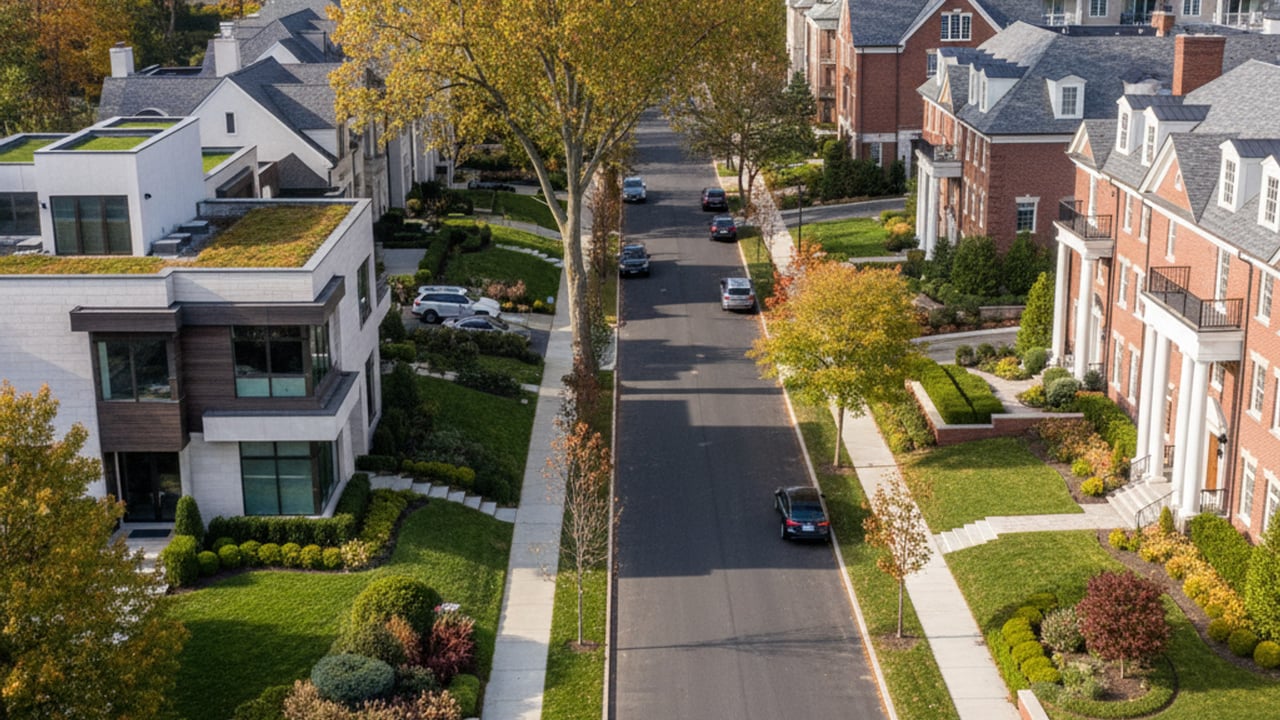
High demand for housing here is also driven by renowned local amenities and community infrastructure. Residents have immediate access to the Capital Crescent Trail, the extensive Montgomery County Public Schools system, and upscale retail environments. These features sustain property values and keep the general cost of goods elevated compared to other Maryland suburbs.
Daily expenses at local commercial hubs like Bethesda Row further reflect the premium nature of the local economy. Dining out and entertainment carry a higher price tag here than in neighboring towns like Rockville or Silver Spring. Consumers should expect to pay premium prices for standard services, boutique shopping, and restaurant meals.
My takeaway for prospective buyers is that the higher entry price is offset by the enduring economic stability of the region. While everyday expenses require a larger household income, the long-term value retention in this zip code remains historically strong. You are paying for unparalleled access to federal employment hubs and established community infrastructure.
Housing Costs in Bethesda: Renting vs. Buying
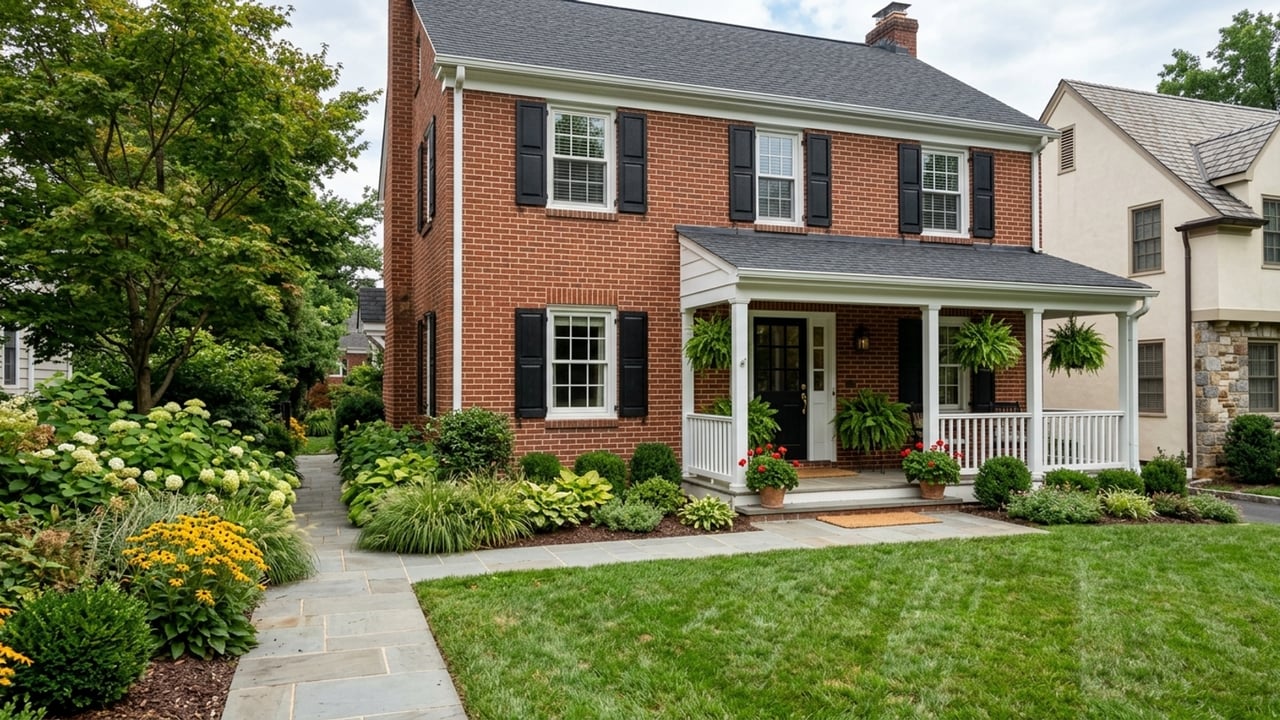
Housing costs represent the largest portion of any resident's budget in this highly competitive market. In early 2026, the median home price in the area frequently exceeds $1,100,000 to $1,200,000. Buyers looking for detached houses will find those properties commanding the highest premiums, especially near the downtown core.
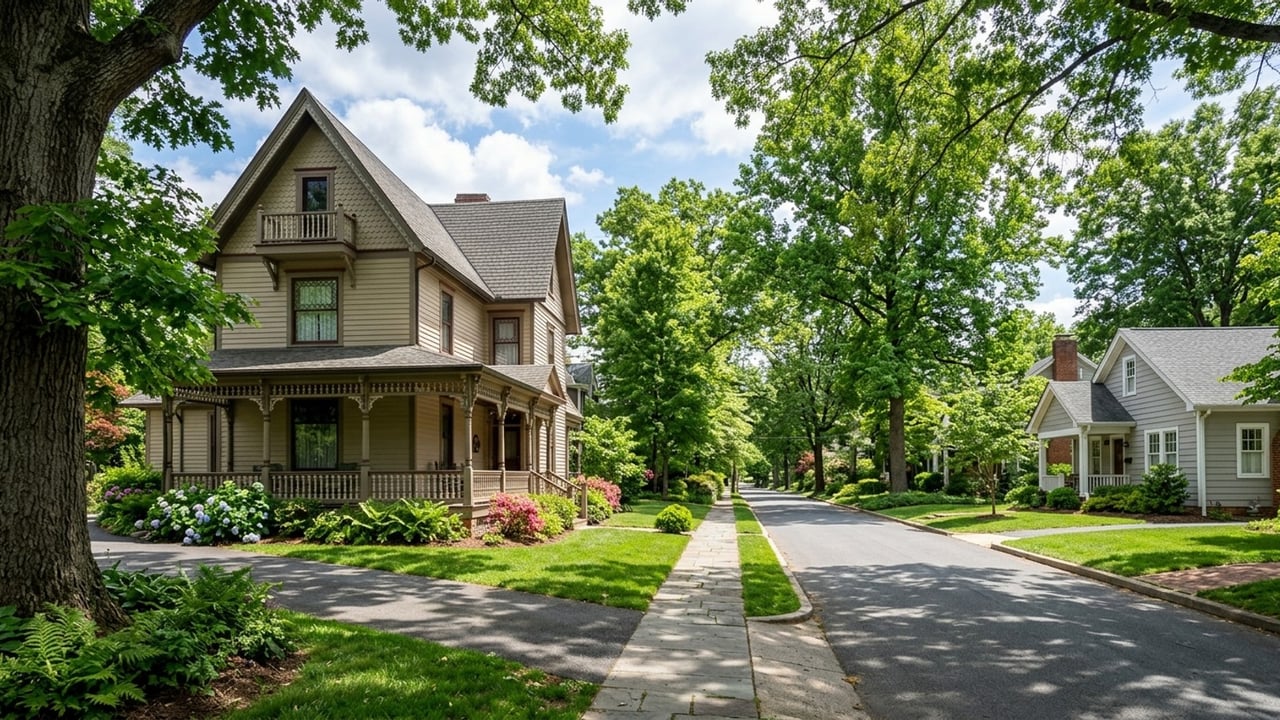
New construction homes and fully renovated historic properties routinely sell well above the median price point. Buyers must often compete with multiple offers, which can drive the final purchase price even higher. Securing a single-family home requires a substantial down payment and a highly competitive mortgage pre-approval.
High-rise condos in downtown Bethesda offer a different entry point for buyers who want to avoid the maintenance of a single-family home. These units provide a more accessible purchase price, though they often come with significant monthly HOA fees. It is crucial to factor those recurring condo fees into your overall mortgage calculation to avoid budget strain.
The rental market is equally competitive, with the average monthly rent ranging from $2,426 to $2,800 depending on the building. A standard studio apartment averages around $1,950 per month, while a two-bedroom unit easily surpasses $3,300. Luxury apartment buildings near the Metro station often charge even higher premiums for premium amenities and concierge services.
Given the current inventory, buying makes more financial sense for those planning to stay longer than five years. Purchasing a home locks in your base housing costs against rising annual rental rates. However, renters do benefit from avoiding the high property taxes and maintenance costs associated with homeownership in Montgomery County.
Breaking Down Montgomery County Property Taxes
Property taxes in Bethesda are governed by Montgomery County tax rates, which are updated annually by local officials. For 2026, the total property tax rate sits at approximately $1.03 to $1.10 per $100 of assessed value. However, the effective property tax rate that homeowners actually experience is typically closer to 0.89% of their property's market value.
Understanding the assessed value is critical because it directly impacts your total annual property tax bill. Montgomery County reassesses properties on a rolling three-year cycle based on recent neighborhood sales data. As home prices have climbed over the last few years, those rising assessments have naturally led to higher tax obligations.
Buyers should always request the most recent tax record for a property rather than relying on outdated listing estimates. When budgeting for a $1,100,000 home, you should expect an annual property tax bill of roughly $9,790. Factoring this into your monthly escrow payment is essential for maintaining a comfortable household budget.
In addition to annual property taxes, buyers must account for local transfer taxes and recordation fees at closing. Montgomery County imposes specific transfer taxes that add thousands of dollars to your upfront closing costs. Negotiating how these taxes are split between buyer and seller is a critical part of the local real estate transaction.
Monthly Utility Bills in Bethesda
Keeping the lights on and the water running in Montgomery County will also require a slightly larger budget than the national norm. Overall, Bethesda's utility costs run roughly 10% to 11% higher than the U.S. average. This includes electricity, natural gas, water, and municipal trash removal services.
For a standard single-family home or a larger condo, average energy bills hover around $240 to $250 per month. This figure fluctuates with the seasons, peaking during the humid Maryland summers when air conditioning runs constantly. Older homes with less efficient insulation may see even higher monthly energy spikes during the winter heating season.
Water and sewer services in the county are managed by the Washington Suburban Sanitary Commission. Billing is typically based on a tiered rate structure, meaning larger households will see exponentially higher water bills. Monitoring your usage and upgrading to high-efficiency fixtures can significantly reduce these recurring monthly expenses.
You must also factor in telecommunications and internet services, which add another $80 to $120 to your monthly expenses. When combining all utilities, a typical household should allocate at least $400 per month for basic residential services. Taking the time to audit a property's energy efficiency before buying can save you thousands over the life of your ownership.
Commuting and Transportation Expenses
Unlike the local housing market, general transportation expenses in this area are surprisingly manageable for most residents. Transportation costs are roughly 0% to 1% higher than the national average, making it one of the more balanced budget categories. This includes everyday expenses like gas prices, routine vehicle maintenance, and local parking fees.
Owning a car is common, but parking in downtown Bethesda often requires a paid monthly garage permit. Gas prices fluctuate based on regional supply, but they generally mirror the broader Mid-Atlantic averages. Commuters driving into D.C. must also account for variable toll pricing on major regional highways.
Traffic congestion on the Capital Beltway is a daily reality that costs drivers both time and fuel. Many residents find that utilizing public transit drastically reduces their overall transportation budget and daily stress. Evaluating your specific commute route is essential before choosing a neighborhood or signing a lease.
Navigating the Metro Red Line and Local Buses
The Washington Metropolitan Area Transit Authority operates the primary public transit network serving the area. Weekday Metrorail fares on the Red Line range from $2.25 to $6.75, depending on your travel distance and the time of day. Commuting directly into downtown D.C. during peak hours will push you toward the higher end of that fare scale.
For local travel within Montgomery County, the Metrobus system offers a flat base fare of $2.25 per ride. The county also operates the Ride On bus network, which connects residential neighborhoods to major transit hubs. These localized bus routes provide an affordable alternative to driving for short daily errands.
Residents can lower their monthly transit expenses by utilizing SmarTrip card discounts or purchasing unlimited monthly passes. Many federal agencies and private employers in the area also offer transit subsidies to offset commuting costs. Relying on the Metro is highly recommended to avoid the steep costs of daily parking in the city.
Grocery and Healthcare Costs Compared to the National Average
Everyday living expenses, including food and medical care, reflect the premium nature of the local economy. A typical household should expect to pay more at the checkout counter, as groceries are approximately 8% to 9% higher than the national average. Local supermarkets range from standard grocers to high-end organic markets, giving residents some control over their weekly food budget.
Dining out frequently will inflate your food budget much faster than cooking at home. The local restaurant scene features premium pricing, with an average dinner for two easily exceeding $100 at mid-tier establishments. Budget-conscious residents often choose to shop at regional bulk retailers to offset the higher costs of local boutique grocers.
Healthcare services in the area run about 16% higher than the U.S. average across all disciplines. This higher cost is directly tied to the concentration of top-tier medical facilities and specialized practitioners operating in the region. Having immediate access to world-class healthcare is a major draw, but it does require appropriately structured health insurance.
Budgeting for these daily necessities requires a realistic look at your household income and spending habits. While a gallon of milk or a routine dental visit costs more here, the localized salaries typically adjust for these premiums. Buyers should carefully compare their current daily expenses against these local averages before committing to a move.
Frequently Asked Questions About the Cost of Living in Bethesda
Is renting cheaper than buying in Bethesda?
Renting a standard studio or one-bedroom apartment is often cheaper on a month-to-month basis than a new mortgage. With average rents around $2,426 and median home prices exceeding $1,100,000, renters avoid large down payments and property taxes. However, buying locks in your housing costs long-term while rental rates continue to climb annually.
How do housing costs in Bethesda, MD compare to other areas?
Housing costs here are significantly higher than the national average and outpace many neighboring Maryland suburbs. A median home price of $1,100,000 makes it more comparable to premium D.C. neighborhoods or select markets in Northern Virginia. Buyers pay a distinct premium for the proximity to federal employers and the robust local transit infrastructure.
What is a reasonable budget for utilities in a Bethesda apartment?
Renters in a standard Bethesda apartment should budget approximately $150 to $200 per month for basic utilities. This typically covers electricity, water, and gas, though many high-rise buildings include water and trash in the base rent. Adding high-speed internet will push that total closer to $250 a month.