If you plan to sell a home in Bethesda, MD, the median sale price sits around $1,349,000 right now. Homes are averaging 35 days on the market, and about 25% of them are selling above list price.
That last number is the one worth chasing. Getting into that 25% isn't luck - it's preparation. Buyers in the Washington D.C. metro come in expecting move-in ready, and the homes that deliver on that expectation are the ones pulling competitive offers. What follows is a straightforward look at what staging actually involves, what it costs, and how to approach it for your specific situation.
Why Staging Your Property Matters in Bethesda
Staging converts a lived-in house into something a buyer can picture as their own. According to the 2025 National Association of Realtors (NAR) Profile of Home Staging, 83% of buyer's agents say staging helps their clients visualize the property as a future home. That's not a marginal number.
The financial case is just as clear. The same 2025 NAR report shows that 19% of agents believe staging increases the dollar value offered, while 10% say it boosts the value of your home by 6 to 10 percent. For a property priced around $1,349,000, that range is meaningful.
Does Staging Help Homes Sell Faster?
How long it takes to sell matters more than most sellers realize, because the longer a listing sits, the more leverage it hands to buyers. Nearly 49% of sellers' agents have observed that staging reduced the time homes spent on the market.
Industry data backs that up: staged homes can sell 5 to 25% faster than their unstaged counterparts. Over 85% of staged properties sell for asking price or above.
Changing How Buyers See the Space
Personal decor, bold paint colors, and oversized furniture make it genuinely hard for buyers to read a room. About 21% of sellers' agents stage all their listings, and another 51% suggest the seller declutter or fix property faults before going active. Those two groups together represent the overwhelming consensus in this industry.
A neutral, well-arranged space lets a buyer focus on what actually matters - the room dimensions, the light, the architectural details. That shift in focus is what drives stronger offers.
What to Budget for Staging in Bethesda
Costs vary widely depending on your property's size and how much work the space actually needs. Sellers in Montgomery County have options across a broad range, from a simple walkthrough consultation to full-scale furniture rentals, so understanding the tiers before you commit helps.
The median amount spent when using a staging service is $1,500, compared to just $500 when the agent personally handles the staging.
Professional Staging Price Ranges
In the Bethesda market, professional home staging averages about $1,800, with a total range of $150 to $5,000 depending on the property's size and how many rooms need attention.
Full-service staging runs about $600 per room, which is why most sellers focus their budget on high-impact areas - the kitchen, living room, and primary bedroom. An initial walkthrough consultation usually costs between $150 and $600 on its own.
Budgeting for a DIY Approach
Doing it yourself saves money, but it costs time and physical effort. If you use your existing furniture, staging a house averages $1,000 to $3,000 for accessories, paint, and minor repairs.
You don't have to choose between full-service and complete DIY, either. A la carte consultation visits generally run $118 to $237, though large homes over 3,000 square feet can push that fee above $600.
Vacant Versus Occupied Pricing
Whether you're still living in the house is probably the single biggest factor in your final bill. Occupied homes average about $800 to stage because professionals can work with your existing furniture and bring in rented accent pieces to fill gaps.
Vacant homes are a different calculation entirely. The stager has to provide everything - furniture, decor, delivery, and pickup. Vacant staging averages around $2,000, and with furniture rentals included, it usually starts around $4,000 for larger properties.
Choosing Between Professional and DIY Staging
The right call depends on your budget, your timeline, and whether you're physically up for moving furniture around. Both approaches can produce a strong listing when done well.
Your agent can walk through your current furnishings and give you an honest read on whether they'll hold up to buyer expectations in this market. A hybrid approach - professional advice combined with your own effort - often hits the best balance.
When to Hire a Professional
If your furniture is outdated, oversized, or heavily worn, bring in an expert. Professionals understand scale and flow in a way that translates directly to better MLS photos.
It's also the practical choice for vacant homes, or for sellers who simply don't have the bandwidth to pack away half their belongings before showings start. A professional crew can turn a property around in a single day.
What a Professional Service Includes
A full-service company handles everything: the initial design plan, furniture delivery, and the physical heavy lifting. They bring artwork, rugs, lighting, and furniture matched to the style of your house.
Once the home sells, they come back and remove all their inventory before closing. You're paying for the design expertise, the rental inventory, and the hands-off convenience.
A Realtor-Approved Checklist for Doing It Yourself
Start by packing away family photos, collections, and anything smaller than a cantaloupe. Clear every kitchen and bathroom counter completely - the goal is to make the space feel larger than it is.
Then rearrange your remaining furniture to open up walkways and draw attention to focal points like fireplaces or large windows. Fresh white towels in the bathrooms, and make sure every lightbulb in the house works and matches in color temperature. Those two details cost almost nothing and show up clearly in photos.
Room-by-Room Advice for Your Listing
Buyers don't evaluate every room equally. The spaces where people spend the most time get the most scrutiny, and that's where your effort will pay off the most.
The underlying goal is consistent: every room should feel bright, spacious, and purposeful. If a spare bedroom has turned into a storage closet, it needs to read as a bedroom or office again before the photographer shows up.
Updating the Living Room and Kitchen
Pull living room furniture away from the walls to create a real seating arrangement rather than a perimeter of chairs. A neutral area rug anchors the space and gives the room a finished look.
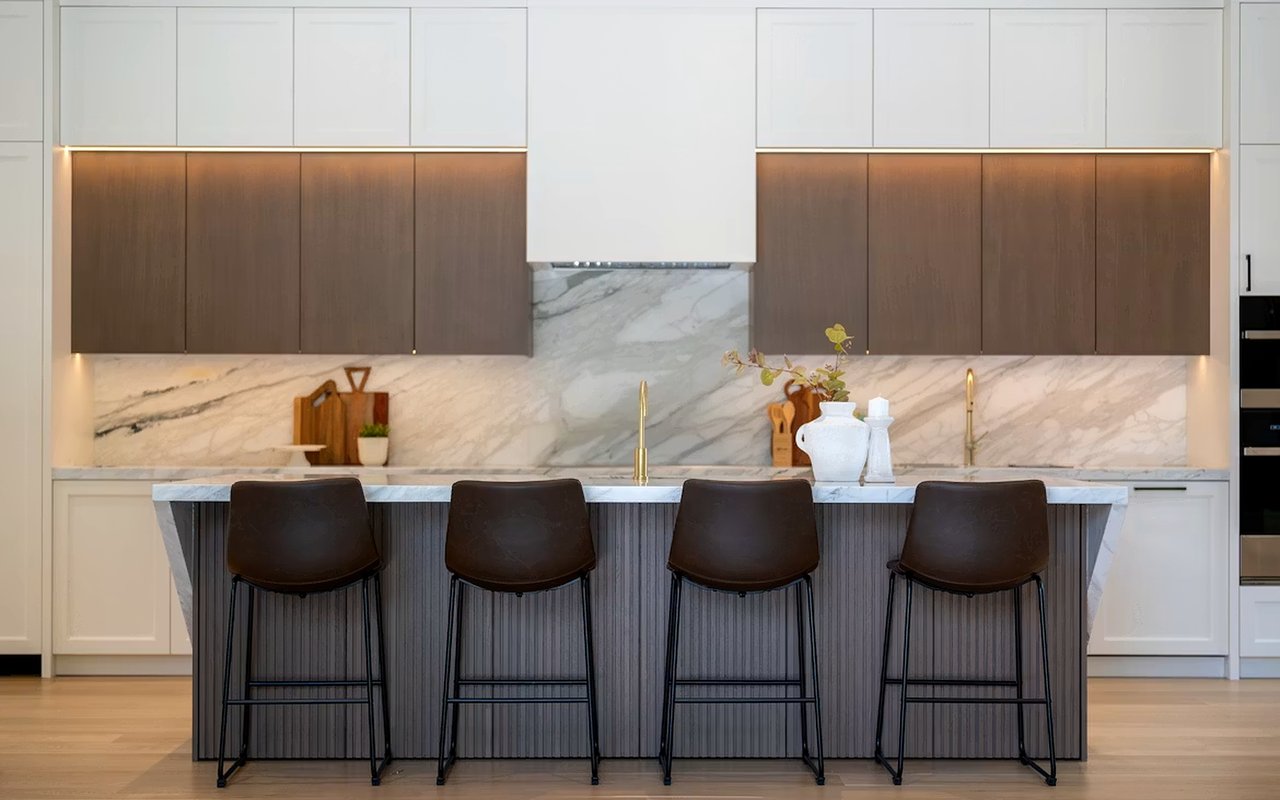
In the kitchen, clear away small appliances, dish racks, and refrigerator magnets. A bowl of fresh fruit or a simple vase of flowers is all the counter decor you need.
Preparing the Primary Bedroom and Bathrooms
The primary bedroom should feel calm. Crisp white bedding, a few textured throw pillows, and clear nightstands and dressers - that's the formula. Buyers need to see themselves there, not your reading pile.
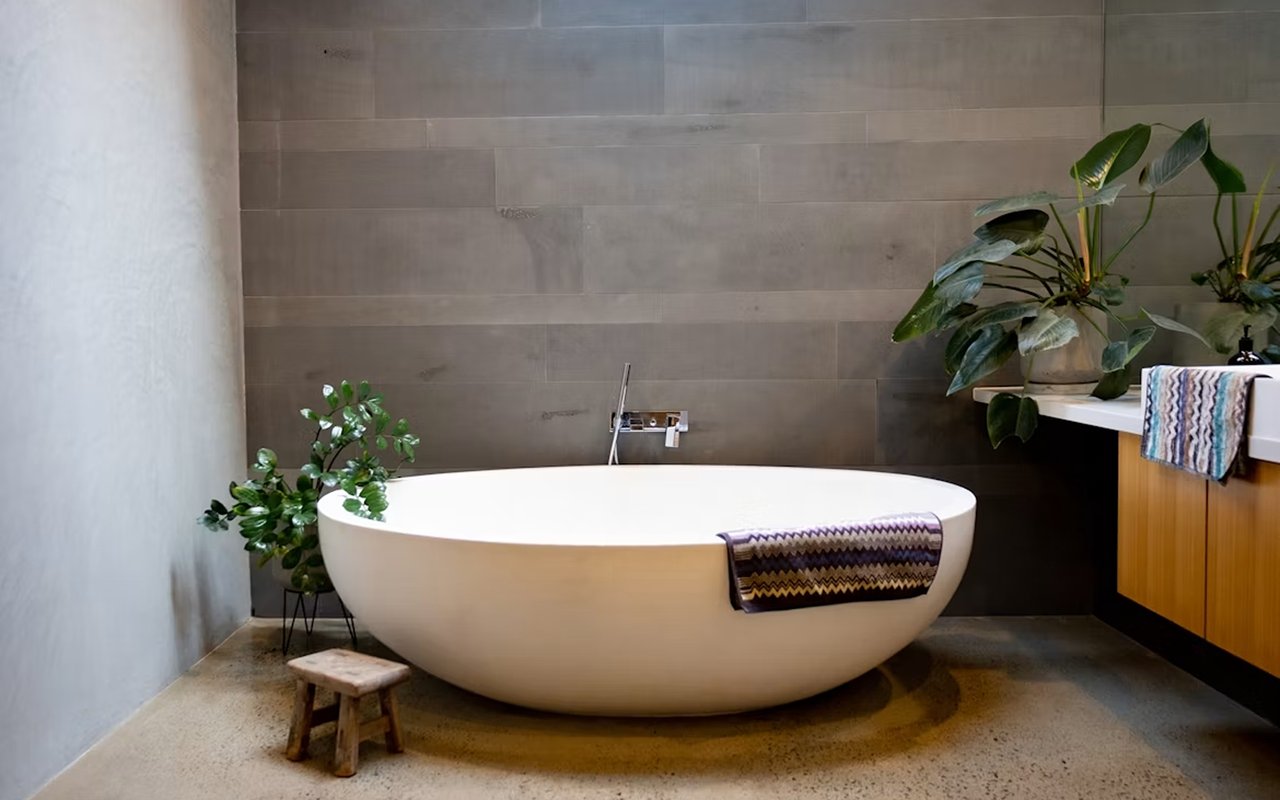
Bathrooms need to be spotless and stripped down. Remove daily toiletries from the shower and vanity, hang fresh matching towels, and clean the grout until it actually looks clean.
Improving Curb Appeal and the Entryway
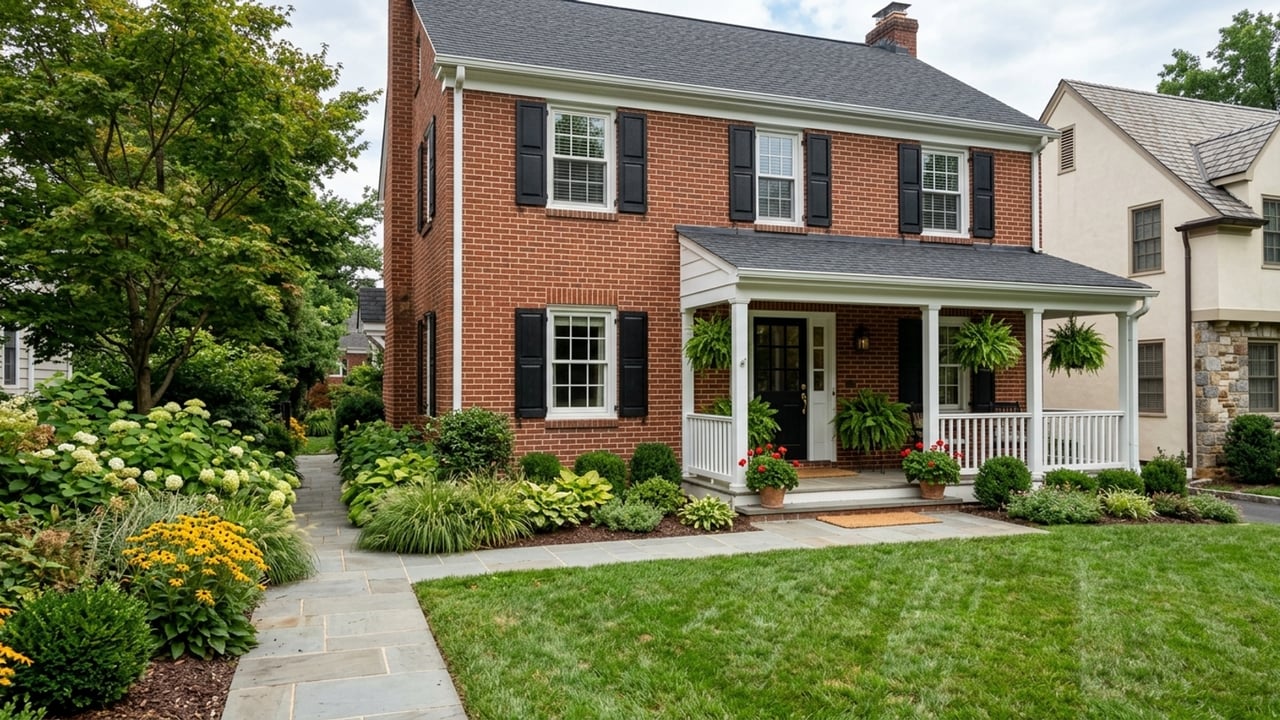
A buyer forms an opinion before they walk through the door. Power wash the siding, clear the walkways, and put down a fresh layer of mulch in the garden beds.
Paint the front door a welcoming color and swap out any tarnished hardware. Inside the foyer, remove shoe racks and hanging coats so the entryway reads as open from the moment someone steps in.
Decluttering and Removing Personal Items
This is the hardest part for most sellers, and also the most important. Buyers are trying to picture their own life in the house, which is hard to do when your personal history covers every surface and wall.
Renting a storage unit for the listing period is worth it. Getting excess furniture and boxes off-site makes closets look larger and rooms feel more open - two things buyers notice immediately.
Handling an Occupied Property Versus a Vacant One
Living in a house while it's on the market is genuinely demanding. You're trying to maintain showroom-level cleanliness while going about your regular life, and buyers can schedule tours with very little notice.
Vacant homes present a different problem: empty rooms photograph small and feel cold, which works against you in a market where buyers have high expectations. Your approach shifts depending on which situation you're in.
Preparing a House You Still Live In
Deep cleaning and relentless organization are your foundation. Keep a few stylish baskets within reach to quickly hide remote controls, mail, and the everyday items that accumulate on counters.
Try to adopt a genuinely minimalist approach for the weeks your property is active. The less you have out, the faster you can tidy up when a buyer books a last-minute showing.
Using Virtual Staging for Empty Rooms
If you've already moved out, virtual staging is a cost-effective way to show the property's potential online. Designers digitally add realistic furniture and decor to your listing photos, which helps drive clicks and showings.
The limitation is real, though: the house is still empty when buyers arrive in person. You should disclose that the photos are digitally enhanced so buyers know what to expect when they walk in.
Local Staging Companies Serving the Area
The Washington D.C. metro has a solid network of design professionals who specialize in real estate preparation, and working with someone who knows this market specifically matters. Regional buyers have particular expectations, and a local stager has seen enough listings here to know what works.
Several reputable companies serve the Bethesda area. Preferred Staging, LLC provides custom solutions using their own inventory and professional movers, while Margaret Carroll Interiors offers full-service interior design and staging.
Finding the Right Fit for Your Property
Look for a company whose portfolio matches the architectural style of your house. Providers like wowed! Home Staging serve Bethesda, Chevy Chase, and Potomac with strong reviews.
Other local firms include Marsocci Interiors and Inspired Home Design. Staged by Design® was voted a 2020 Top 10 Stager in the U.S. by the Home Staging and Redesign Alliance. Individual stagers like Andrea from the Staging Boutique also come up frequently in online recommendations.
Questions to Ask During a Consultation
Ask to see recent work in neighborhoods similar to yours, and find out whether their inventory style actually fits your home's character. It also matters whether they own their furniture or rent it from a third party - that affects their flexibility and your costs.
Clarify the rental timeline and removal process upfront. Specifically, ask what happens if the house takes longer to sell than expected and what the monthly renewal fees will run.
Want a feel for the competition? Look at what buyers are seeing right now. Start with single-family homes for sale in Bethesda, including these listings on the market now:
- 7008 Amy Ln, Bethesda (20817) | 7 bd, 7 ba, 6,787 sq ft
- 9775 Sanvitalia St, Bethesda (20817) | 4 bd, 4 ba, 3,220 sq ft
- 5821 Goldsboro Rd, Bethesda (20817) | 5 bd, 6 ba, 8,060 sq ft
Want to see more? Browse all of The Sky Group's properties for sale.
Home Staging FAQs
Does home staging help sell a house faster in Bethesda?
Yes. Nearly 49% of sellers' agents report that staging reduces the time a home spends on the market. Industry data shows staged homes can sell 5 to 25% faster than non-staged properties.
How much does it cost to stage a house in Bethesda?
Professional staging in Bethesda averages about $1,800, ranging from $150 for a basic consultation up to $5,000 for full service. Vacant homes require furniture rentals and typically start around $4,000 for larger properties.
How long does home staging take before I can list my Bethesda property?
It depends on the scope of the work. An initial consultation takes a few hours, but decluttering, painting, and scheduling a professional installation team can take one to three weeks before the home is ready for photos.
What should I NOT do when staging my house for the Bethesda market?
Don't leave personal photos, clutter, or bold paint colors on display. You should also avoid pushing all your furniture against the walls - it makes rooms feel stark rather than spacious.
How should I stage a house I'm still living in vs. an empty one?
For an occupied home, focus on decluttering, removing personal items, and renting accent pieces to complement your existing furniture. For an empty house, you'll need to rent full furniture sets or use virtual staging for the online photos.
What is virtual staging, and is it enough for my listing in Bethesda?
Virtual staging involves digitally adding furniture to photos of empty rooms to help online buyers visualize the space. It drives internet traffic, but the physical house is still empty during tours - which may not be enough for buyers expecting a premium physical presentation.
Taking the Next Step Toward Listing
Preparing a house for the market can feel like a lot, but you don't have to figure it out alone. A local agent can walk through your property and tell you specifically which updates will move the needle - and which ones aren't worth your time or money.
With the median sale price in Bethesda sitting around $1,349,000, presenting a polished product isn't optional if you want a strong offer. The preparation you do before the photographer arrives is what sets the tone for everything that follows.
What Happens During a Listing Consultation
An agent will review your property's condition and compare it against recent sales in your neighborhood. They'll point out the specific areas where minor repairs or rearranging could make a real difference to buyers.
You'll leave with a prioritized list of tasks to complete before the photographer comes. That list keeps you from spending money on improvements buyers won't notice or care about.
Connecting With a Trusted Local Stager
Good agents have relationships with local contractors, cleaners, and staging professionals built up over years of transactions. They can point you to the right people for your specific budget and timeline - without you having to cold-call a list and hope for the best.
Whether you need a two-hour DIY consultation or a full-house furniture installation, your agent's network is a resource worth using. Reach out to a local professional today to start getting your property ready.