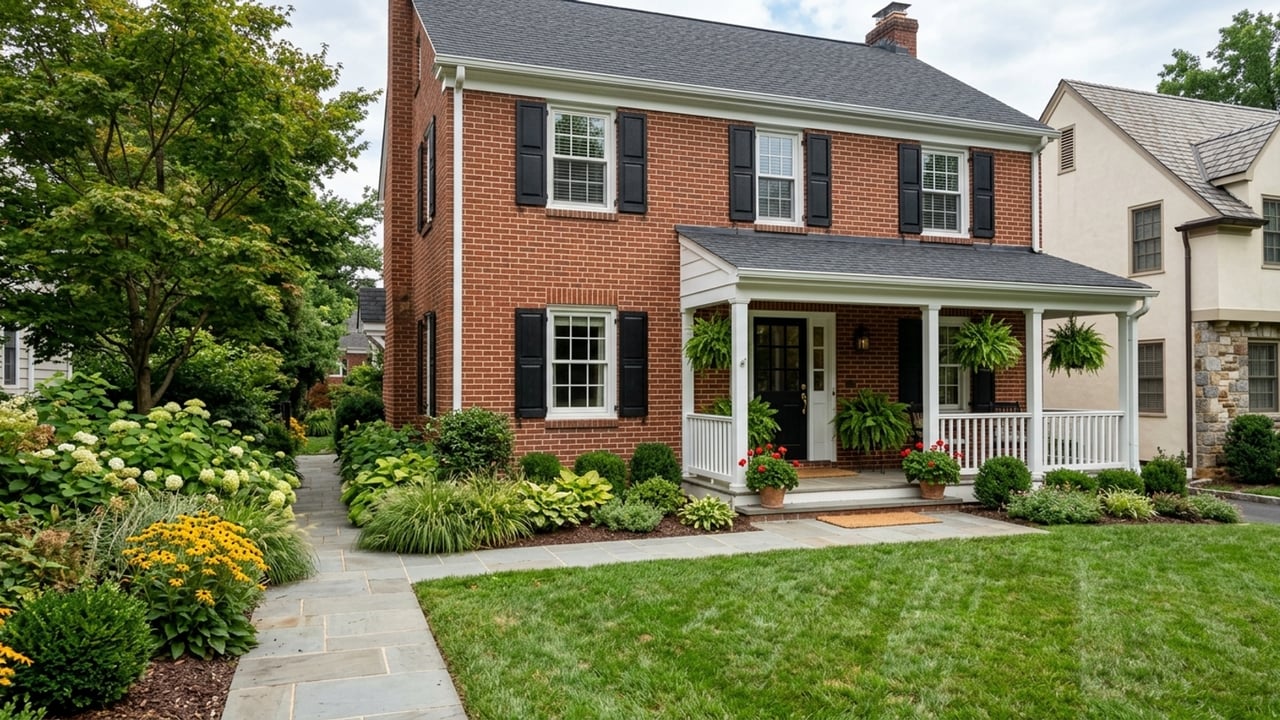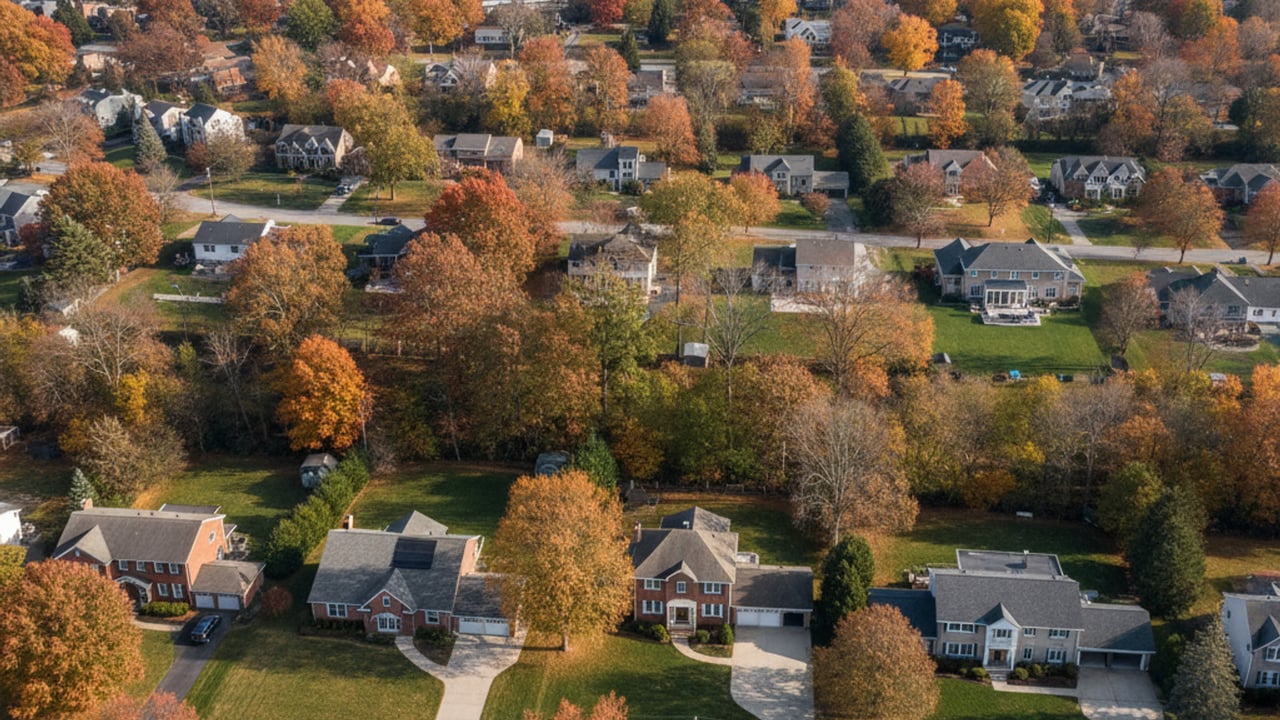
As the 2026 housing market moves forward, prospective homebuyers moving to Montgomery County must prepare for a true four-season environment. Buyers often focus heavily on property taxes or commute times, but local weather patterns dictate everything from daily routines to long-term property maintenance.
Evaluating a property requires understanding how it will perform during a humid August afternoon or a freezing January morning. The local climate directly influences which home features carry the most value and how much you should budget for seasonal upkeep.
Understanding the Weather and Climate in Bethesda MD
Bethesda sits in a temperate climate zone that delivers four highly distinct seasons throughout the year. Residents experience roughly 197 to 202 sunny days annually, giving the area plenty of clear weather to balance out the seasonal precipitation.
This balanced climate means homes must be equipped to handle both significant heat and freezing temperatures. Buyers relocating from regions with mild, year-round weather often underestimate the wear and tear a four-season environment places on a home exterior.
Taking the local weather conditions into account is a non-negotiable step when reviewing property disclosures. A house that looks flawless under partly cloudy skies in May must still be able to shed heavy rainfall and insulate against winter winds.
Average Temperatures by Month and Seasonal Shifts
The transitional seasons of spring and fall offer some of the most comfortable weather conditions in the Mid-Atlantic region. During these months, the National Weather Service frequently reports mild temperatures that allow homeowners to turn off their heating and cooling systems entirely.
Local residents rely heavily on hourly weather tracking and radar to navigate the rapid shifts between seasons. A clear morning forecast can easily give way to a severe weather threat by late afternoon, especially when spring weather patterns clash with incoming summer heat.
Navigating Spring Showers and Summer Humidity
High humidity becomes a defining factor from July through August, with average high temperatures peaking around 86 to 87 degrees. This moisture in the air makes the actual temperature feel significantly warmer, placing heavy demands on residential air conditioning systems.
Summer afternoons also bring a frequent chance of precipitation and scattered thunderstorms. These sudden storms often produce gusty winds ranging from 10 to 15 mph and heavy rainfall, contributing to the roughly 114 days of precipitation the city sees annually.
Fall Foliage and Winter Snowfall Averages
Autumn brings a welcome drop in humidity, replacing the summer haze with partly cloudy skies and crisp, stable air. The cooling trend continues steadily until winter, when January low temperatures average around an approximate 25 degrees.
Winter precipitation is a reality here, with the city averaging about 17 to 18 inches of snow per year. Occasional extreme cold snaps require proper home insulation to prevent frozen pipes and maintain energy efficiency.
Bethesda MD Climate Impact on Home Maintenance
The ongoing cycle of freezing and thawing, combined with high summer humidity, shapes the maintenance requirements for local properties. Buyers should prioritize homes with robust, recently serviced HVAC systems to handle these wide temperature swings.
Water management is another major priority due to the area receiving approximately 42 to 43 inches of annual rainfall. Properties with comprehensive basement waterproofing systems and properly graded landscaping command a premium, as they prevent costly water intrusion.
When purchasing a $850,000 property, upgrading to energy-efficient windows offers an excellent return on investment by sealing out winter drafts and summer heat. It is always wise to schedule proactive roof inspections to check for hidden damage from hail or high winds before finalizing a purchase.
Objective Outdoor Amenities Accessible Year-Round
The local climate allows for extensive use of regional parks and outdoor recreation facilities throughout most of the year. The Capital Crescent Trail remains a highly utilized asset for walking and cycling whenever clear weather forecasts permit.
Cabin John Regional Park and several nearby golf courses maintain high accessibility across the seasons. Even during the colder months, residents frequently use these spaces as long as the ground is clear of heavy snow accumulation.
During hot summer days, the mature local tree canopy provides essential shade over many trails and sidewalks. This natural infrastructure significantly reduces surface temperatures and makes outdoor exercise viable even in July.
How Seasonal Weather Affects Your Commute
Weather conditions play a major role in daily travel times to Washington, D.C. and the surrounding commercial hubs. Many residents utilize the Bethesda Metro station to bypass surface traffic entirely when a severe weather threat is active.
Winter snowfall routinely slows down major arterial routes like I-495, extending typical driving times significantly. Even a moderate accumulation of snow requires advanced planning and early departures for those who must commute by car.
Spring downpours and gusty winds can also cause unexpected delays on local roads. Choosing a property located within a half-mile radius of public transit offers a distinct advantage for buyers who want to minimize weather-related travel disruptions.
Best Time of Year to Visit Bethesda MD for House Hunting
Planning a real estate scouting trip around local climate data can help buyers make more informed decisions. Spring and early fall are widely considered the optimal seasons for viewing properties and walking through different communities.
During these peak periods, temperatures generally range from a comfortable 66 to 86 degrees. This mild weather allows for thorough exterior inspections without the distraction of extreme heat or freezing wind.
However, visiting during less ideal weather actually provides a unique advantage for serious buyers. Touring a home during a heavy rainstorm is the absolute best way to verify that the gutters function properly and the basement remains dry.
Frequently Asked Questions About Bethesda Weather
Is Bethesda, MD usually humid?
Yes, the area experiences high humidity levels primarily from June through September. This muggy weather requires reliable central air conditioning to maintain comfortable indoor temperatures. Upgraded HVAC units are a major selling point for homes in this market.
Does it snow in Bethesda, Maryland?
The city receives an average of 17 to 18 inches of snowfall each winter season. While some years see only a light dusting, residents must be prepared for occasional heavy storms. Proximity to major plowed routes like MD-355 is helpful during the winter months.
What type of climate does Maryland have?
Maryland features a temperate climate with four distinct and relatively balanced seasons. The state transitions from hot, humid summers to freezing winters with a mix of rain and snow. This environment requires homes to have comprehensive weatherproofing year-round.