Buyers evaluating Montgomery County real estate frequently ask if Bethesda MD is safe before committing to property purchases. As a major employment hub just outside Washington, D.C., this area commands premium home prices and offers extensive transit infrastructure.
Navigating the local market requires looking past general impressions and examining objective 2026 data. Reviewing current property statistics, transit schedules, and neighborhood amenities provides a clearer picture of what to expect from a Bethesda investment.
Understanding Bethesda, MD Crime Rates and Statistics
Bethesda operates as a census-designated place, meaning local incident data is tracked and reported by the Montgomery County Police Department. Evaluating these official records helps buyers understand the objective realities of the area compared to national and Maryland state averages.
Recent statistics indicate an overall crime rate of roughly 21 to 23 total incidents per 1,000 residents. Violent crime remains notably lower than the national average, with residents seeing approximately a 1 in 725 chance of experiencing a violent incident.
Property crime accounts for the vast majority of local reports, sitting at roughly 19.5 incidents per 1,000 residents. Motor vehicle theft and larceny are the most common property offenses, particularly in commercial corridors with high daytime foot traffic.
Independent analyses frequently highlight these metrics when evaluating the area against similar national markets. A 2025 SmartAsset study ranked Bethesda as the number two safest suburb in the United States based on comprehensive local metrics.
The clear takeaway for buyers is that while property crimes like auto theft require standard precautions, the exceptionally low violent crime rate strongly supports the area's premium property valuations.
Walkability and Commuting on the Metro Red Line
Transportation infrastructure significantly influences property demand along the Wisconsin Avenue corridor. The area features extensive pedestrian pathways, with the Capital Crescent Trail providing miles of paved routes connecting Downtown Bethesda to surrounding commercial centers.
Commuters heavily rely on the Washington Metro Red Line to reach employment centers in Downtown D.C. A typical ride from the Bethesda Station or Medical Center Station to Farragut North takes approximately 15 to 20 minutes.
Buyers moving to the area this year need to plan for major infrastructure updates affecting immediate travel routes. The Washington Metropolitan Area Transit Authority scheduled significant Red Line construction for the summer of 2026.
From July 6 through September 6, 2026, stations north of Friendship Heights will require shuttle bus transfers. Factoring these temporary transit adjustments into a daily commute is essential for anyone purchasing a home near the affected stations this season.
Major Local Amenities and Institutions
Property values in Montgomery County are closely tied to the density of nearby employment anchors and recreational facilities. Bethesda concentrates several major national institutions and expansive parks within a relatively compact geographic footprint.
Homes located within walking distance of these primary amenity clusters historically command the highest price per square foot. Buyers evaluating different subdivisions will find the following core features driving local real estate demand:
-
Medical and Research Campuses: The National Institutes of Health and Walter Reed National Military Medical Center serve as massive employment anchors that sustain continuous housing demand.
-
Recreational Green Space: Cabin John Regional Park offers 530 acres of facilities, including an indoor ice rink, extensive tennis courts, and miles of wooded trails.
-
Retail and Dining Districts: Bethesda Row and the Woodmont Triangle provide high-density commercial zones featuring dozens of restaurants, grocery stores, and boutique shops.
Purchasing a home adjacent to the NIH campus or Bethesda Row guarantees immediate access to these amenities. Buyers should expect to pay a substantial premium for properties located within a half-mile radius of these commercial and medical centers.
The Bethesda Real Estate Market in 2026
The spring 2026 housing market in Montgomery County remains highly competitive due to constrained inventory levels. Buyers currently face roughly 2.5 months of available housing supply, keeping the area firmly in seller's market territory.
Properties are moving quickly, with average days on market hovering between 27 and 34 days. Geographic alignment with the Montgomery County Public Schools system continues to be a primary driver for property searches in this zip code.
Median Home Prices and Property Types
As of spring 2026, the median home price in Bethesda sits between approximately $1,200,000 and $1,300,000. This pricing reflects the high demand for proximity to major medical centers and D.C. transit routes.
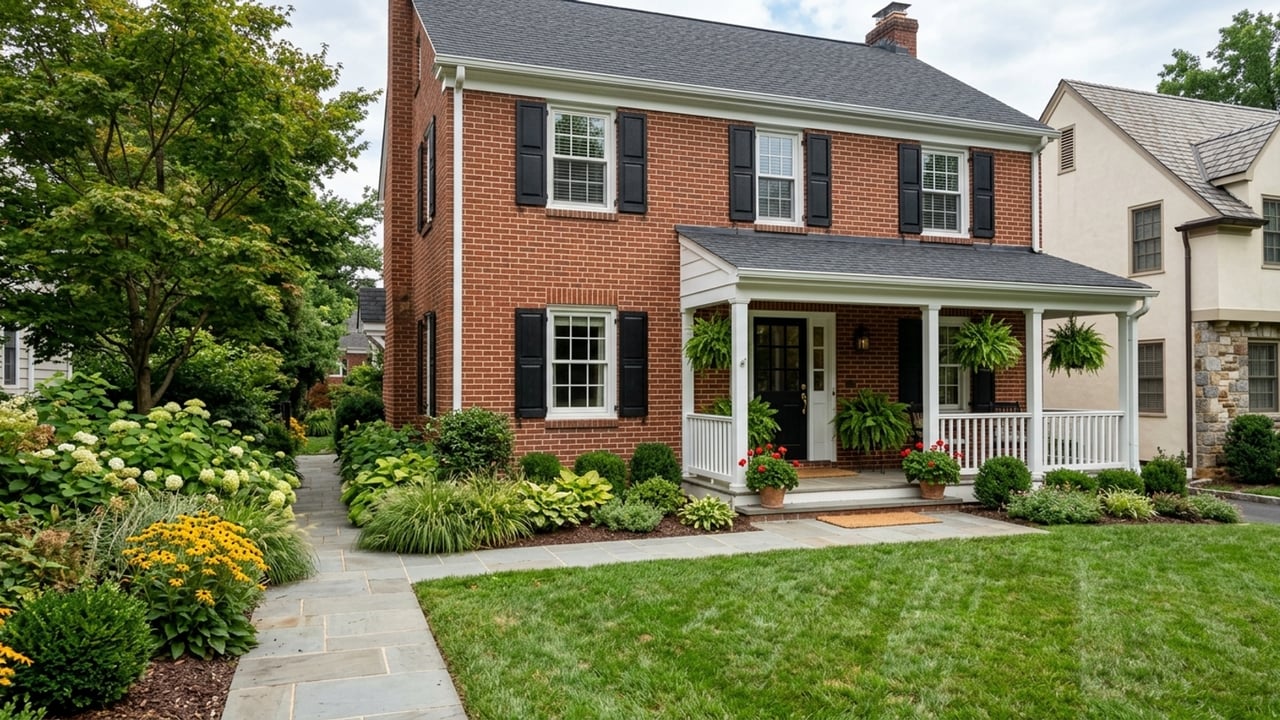
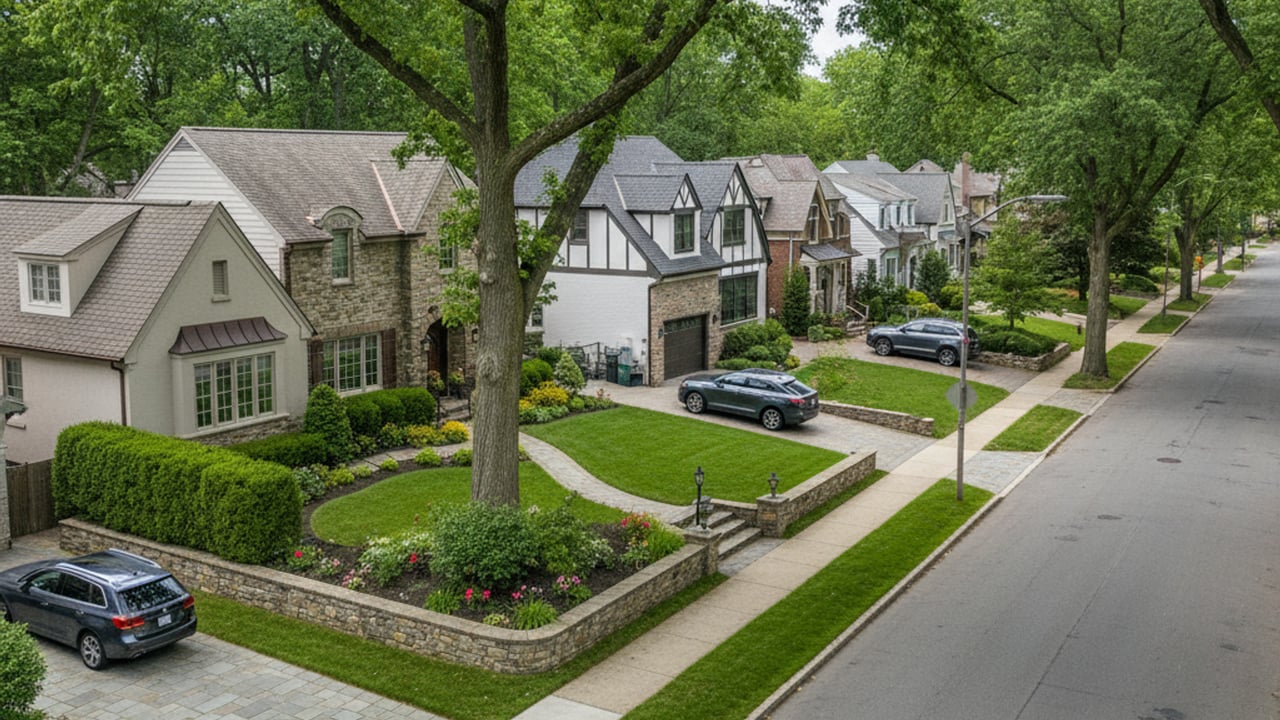
The housing stock varies significantly depending on the distance from the central business district. Downtown Bethesda features luxury high-rise condominiums, while the surrounding residential subdivisions offer expansive single-family homes on mature, tree-lined lots.
Properties located within a few blocks of the Metro stations routinely sell for higher figures than equivalent homes located further out. Buyers seeking larger lot sizes often find slightly lower price points by expanding their search to neighborhoods requiring a short drive to the transit hubs.
Frequently Asked Questions About Living in Bethesda
Are there differences in crime statistics across specific neighborhoods in Bethesda?
Incident rates fluctuate depending on the density of commercial activity and transit access. Areas directly surrounding downtown retail corridors typically report higher instances of property crime and larceny than the purely residential subdivisions. Checking specific Montgomery County Police data for a target street provides the most accurate assessment of a localized area.
How does proximity to Washington, D.C., impact Bethesda's real estate and data?
Sharing a border with the District of Columbia directly fuels the $1,200,000 median property values in Bethesda. The immediate access to D.C. via the Metro Red Line increases daily foot traffic, which naturally correlates with higher localized property crime rates near transit stations. This dynamic is standard for major metropolitan transit hubs across the region.
Is Bethesda's tap water safe to drink?
The municipal tap water supplied to Montgomery County properties meets all federal and state standards for consumption. The Washington Suburban Sanitary Commission provides the local water supply, regularly publishing quality reports that verify compliance with EPA guidelines. Residents generally do not require supplemental filtration systems unless desired for taste preferences.