Relocating to the Washington, D.C. metro area requires careful planning, and moving to Bethesda MD places you right at the center of one of the region's most dynamic suburbs. Located just northwest of the district line, this Montgomery County enclave blends high-density urban conveniences with established, mature neighborhoods. Buyers looking at this market in 2026 will find a highly active environment driven by a robust local economy and unparalleled transit access.
Understanding the realities of the local market is crucial before starting a property search. Bethesda commands premium pricing across all property types, reflecting its proximity to major employment hubs like the National Institutes of Health. Navigating this landscape means weighing the benefits of walkable downtown amenities against the space offered by traditional detached housing.
The Real Cost of Living in Bethesda, MD
Bethesda stands as one of Maryland's most expensive suburbs, with overall living costs running roughly 34% to 43% higher than the national average. Housing is the primary driver of these elevated expenses, whether purchasing a home or paying the average apartment rent of $2,800 to $2,900 per month. Grocery and transportation expenses also run slightly higher than regional averages, requiring careful budget planning for new arrivals.
Residents often find that the area's strong local economy helps offset the premium pricing. The median household income here sits well over $190,000, supported by a concentration of medical, legal, and government professionals. Buyers must calculate their housing budget carefully, as high everyday costs leave less room for unexpected property maintenance.
Taxes and Utilities in Montgomery County
Property taxes and local income taxes represent a significant portion of the ongoing carrying costs for Bethesda homeowners. Montgomery County property tax rates sit at roughly $1.1031 per $100 of assessed value, which is layered on top of the $0.112 state rate. Maryland also imposes state income taxes, and Montgomery County adds a local income tax that recently increased to 3.3%.
Combined state and county property taxes often result in a median annual payment ranging from $5,800 to $7,100, depending on the exact home value. Baseline utility costs for the area run closer to the national average. Expect to pay around $220 to $250 per month for standard electricity, water, and gas, depending on the square footage and age of the property.
Commuting from Bethesda: Transportation Overview
Bethesda operates as a major transit hub, connecting Montgomery County to downtown Washington, D.C., and the surrounding Northern Virginia employment centers. The local infrastructure provides multiple ways to navigate the region, making the area highly accessible without relying strictly on a personal vehicle. Proximity to key thoroughfares and robust public transit options heavily influences property values across different neighborhoods.
Commuters should carefully evaluate their distance to transit hubs when deciding on a specific property location. Homes within a half-mile radius of a rail station command a steep premium, but they offer the distinct advantage of a car-free daily commute. Buyers prioritizing space over transit access will find more options further from the urban core, though this requires navigating the region's notorious traffic patterns.
The Metro Red Line to Downtown D.C.
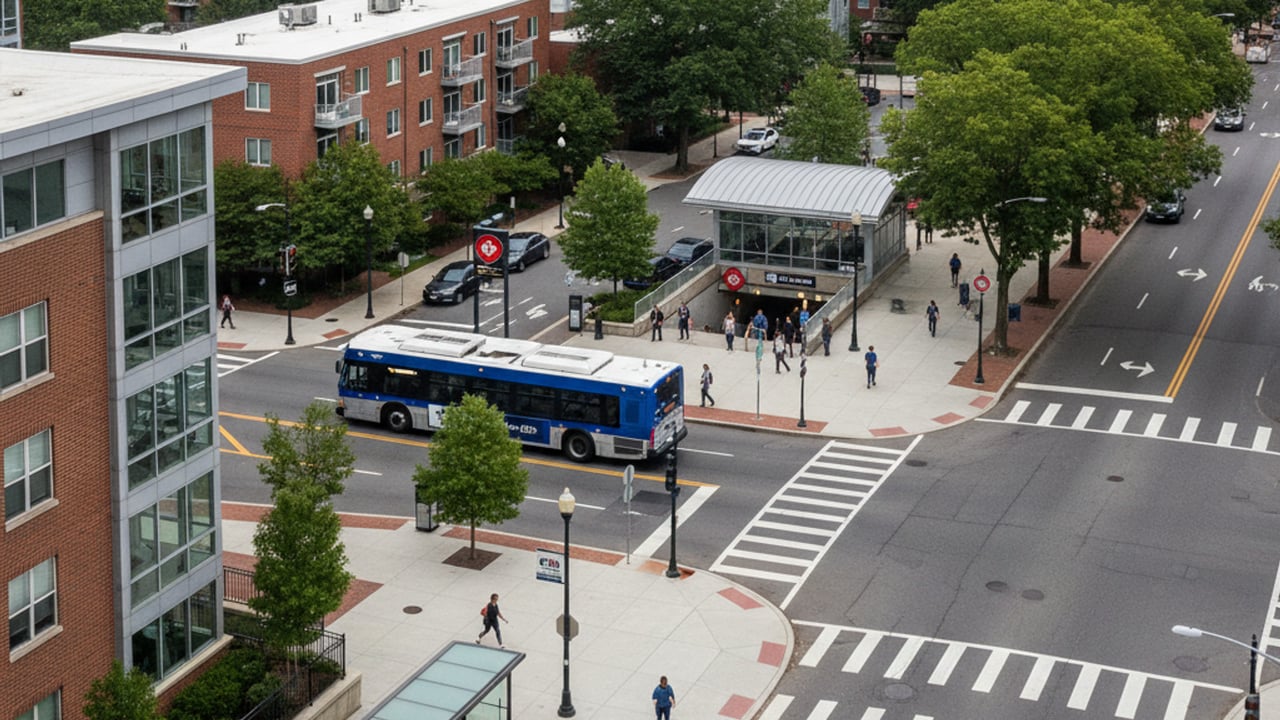
The Bethesda Metro station sits on the Red Line, providing direct public transit access straight into the district. Train travel time from Bethesda to central transfer points like Metro Center or Farragut North takes approximately 15 to 20 minutes. Trains depart every 10 minutes during standard commuting periods, making the system highly reliable for daily travel.
Total door-to-door commute times typically average 30 to 45 minutes for residents working in the city center. Utilizing the rapid transit system saves residents from unpredictable beltway gridlock and high daily parking garage fees in D.C.
Driving the Capital Beltway (I-495)
For those who must drive, Bethesda provides immediate access to I-495, known as the Capital Beltway, and the I-270 technology corridor. Driving to Northern Virginia or downtown D.C. can take 30 to 60 minutes during peak rush hour due to heavy, sustained congestion. The volume of vehicles on the road requires drivers to plan for significant delays during the morning and evening peaks.
Commuters must account for traffic bottlenecks at major interchanges and potential toll road usage when driving in the greater Washington area. Utilizing the express lanes on nearby interstates offers a faster alternative, though variable toll pricing can add up quickly over a month of daily commuting.
Bethesda Housing Market and Property Types
The Bethesda real estate market moves at a rapid pace in 2026, characterized by limited active inventory and fast sales cycles. The median home price in the area currently hovers around $1,100,000 to $1,222,500, requiring significant capital or robust financing for entry. Well-priced properties frequently sell within 15 to 34 days of listing, often reaching or exceeding the seller's asking price.
Buyers must enter this market with full pre-approval and a clear understanding of their non-negotiable property requirements. The high cost of entry means purchasers often have to compromise on either square footage or proximity to the central business district. Partnering with a local agent who understands hyper-local pricing dynamics is essential for successfully securing a property here.
Downtown Condos vs. Single-Family Homes
Downtown Bethesda features luxury high-rise condominiums that offer skyline views, premium walkability, and concierge services. These units appeal to buyers seeking a low-maintenance lifestyle, though they come with substantial monthly HOA fees that must be factored into the overall budget.
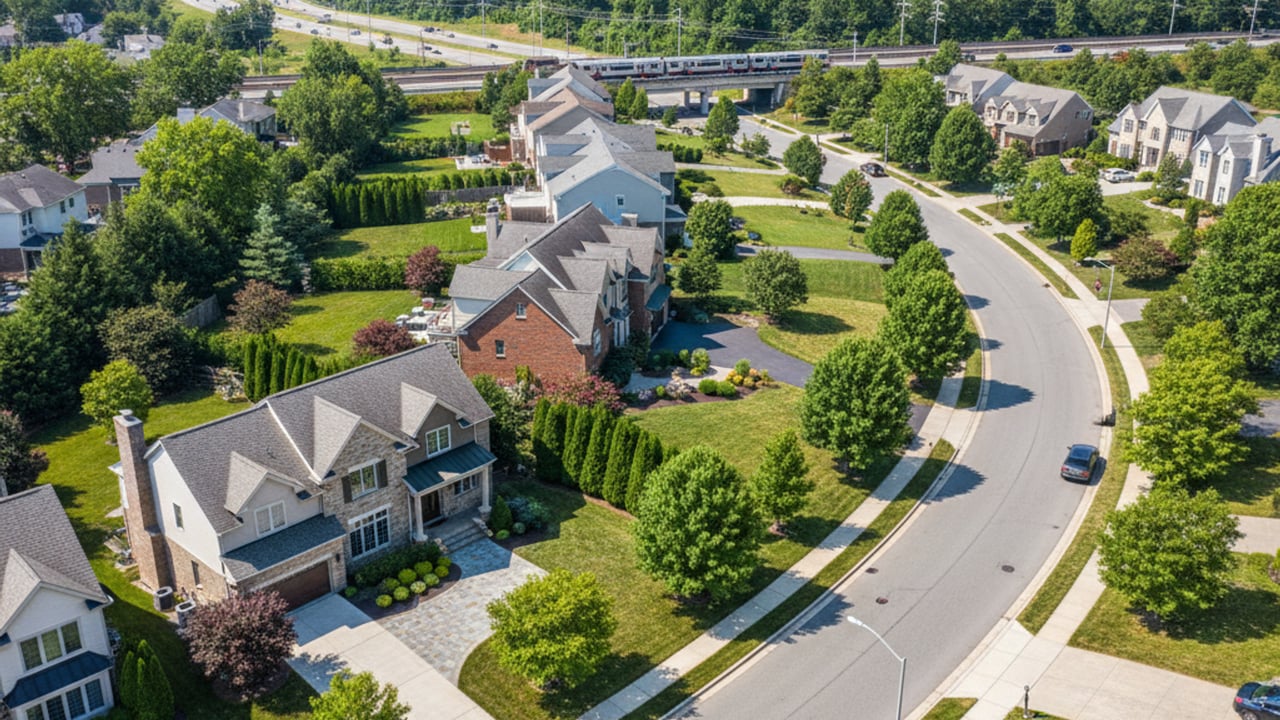
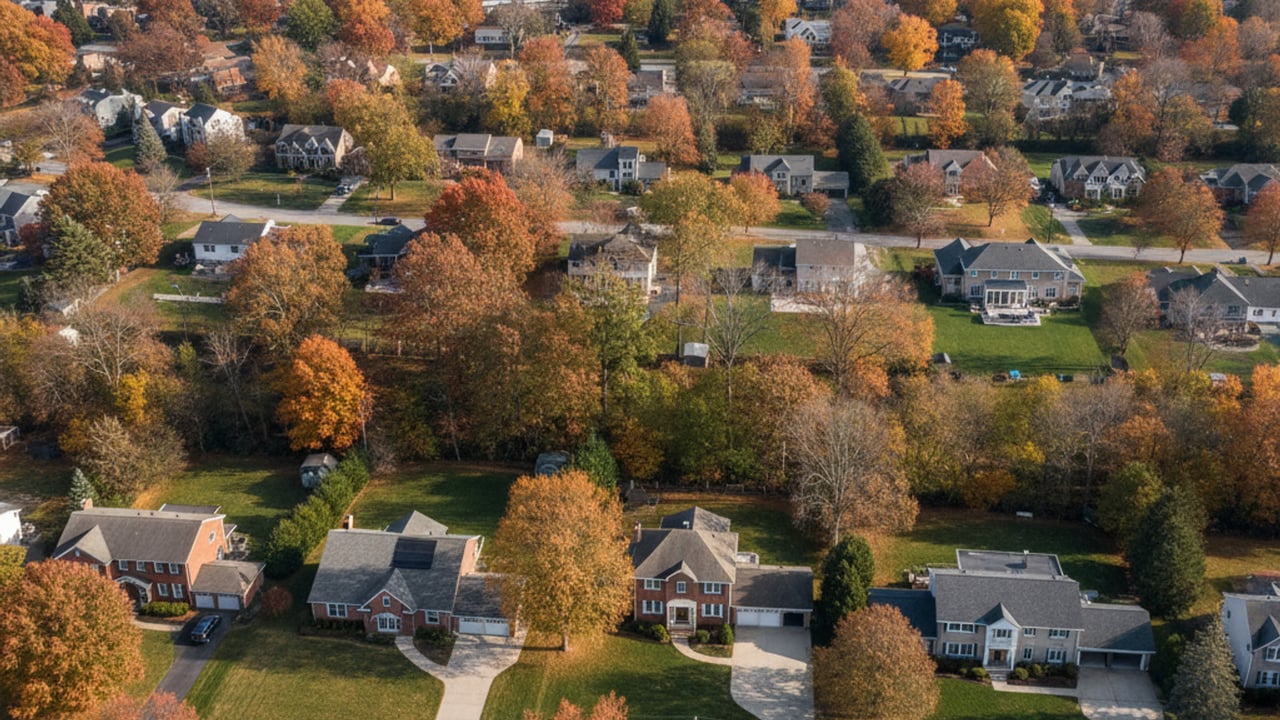
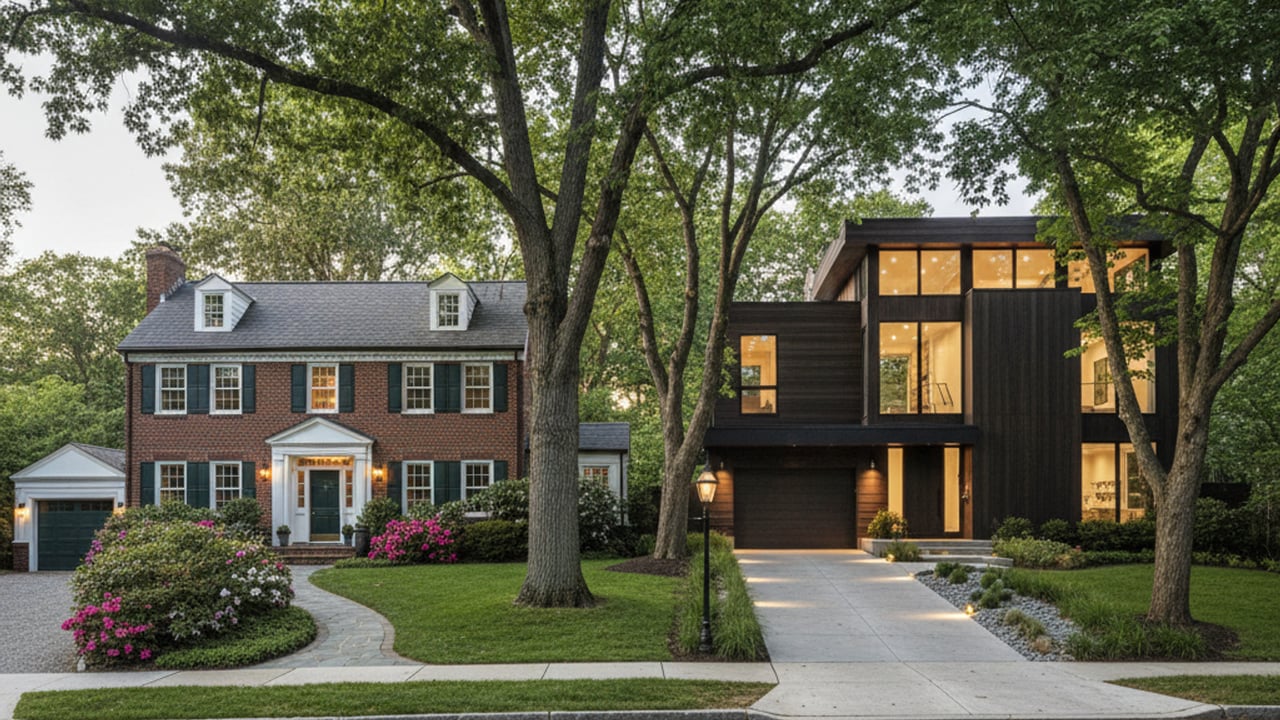
Surrounding areas like Edgemoor and Chevy Chase offer traditional single-family detached homes with private yards and mature tree canopies. Buyers must weigh the ongoing costs of condo living against the exterior maintenance and landscaping requirements of older suburban properties.
Healthcare, Amenities, and Outdoor Recreation
The local community combines dense urban conveniences with expansive access to nature, state parks, and world-class medical facilities. Bethesda operates as a massive hub for medical research, healthcare services, and life sciences, drawing professionals from across the globe. This unique concentration of industry and recreation creates a highly amenitized living environment.
Residents enjoy hundreds of dining and entertainment options clustered in distinct, walkable commercial districts. The ability to transition from a bustling restaurant scene to a quiet, wooded trail within minutes is one of the area's strongest selling points. Buyers moving from larger cities will find the local amenities easily rival those of downtown D.C.
Bethesda Row and Urban Walkability
Bethesda Row serves as the commercial heart of the area, featuring upscale shopping, boutique fitness studios, and diverse dining experiences. The nearby Woodmont Triangle offers a slightly different atmosphere, characterized by historic architecture, independent restaurants, and vibrant nightlife.
High walkability scores mean residents living near the urban core can run daily errands, visit the farmers' market, and access entertainment without ever starting a car. This pedestrian-friendly design significantly enhances the daily quality of life for those residing in or near the downtown sector.
Capital Crescent Trail and Regional Parks
The Capital Crescent Trail is a premier paved path that connects Bethesda directly to Georgetown along the Potomac River. This former rail line is utilized heavily by cyclists, runners, and pedestrians seeking a protected route away from vehicle traffic.
Cabin John Regional Park provides extensive athletic fields, indoor tennis courts, and an ice skating rink for local use. The surrounding area is dotted with smaller neighborhood parks, public golf courses, and meticulously maintained green spaces.
Medical Hub: NIH and Walter Reed
Bethesda is home to the National Institutes of Health, a massive driver for the local job market and the broader research sector. The nearby Walter Reed National Military Medical Center employs thousands of military and civilian personnel on its sprawling campus.
Suburban Hospital, part of the Johns Hopkins Medicine system, offers immediate emergency and specialized care to local residents. This heavy concentration of healthcare infrastructure ensures residents have immediate access to top-tier medical services.
Education Options in Bethesda
Bethesda is served by the Montgomery County Public Schools system, which stands as one of the largest and most prominent districts in the state of Maryland. The district operates numerous elementary, middle, and high schools throughout the Bethesda geographic zone. Property values are heavily influenced by school boundaries, making district maps a critical component of any home search.
The region is also positioned near major higher education and research institutions, including campuses across Maryland and Washington, D.C. This proximity to universities fosters a highly educated local workforce and provides residents with access to ongoing educational and cultural programming. Buyers should verify specific school assignments directly with the county, as enrollment boundaries can shift over time.
Frequently Asked Questions About Moving to Bethesda
Is it cheaper to live in DC or Bethesda?
Both locations carry a high cost of living, but Bethesda often features slightly higher median home prices compared to many D.C. neighborhoods. Buyers will find that the tax structures differ significantly between the two jurisdictions. Property taxes and local income taxes must be calculated carefully when comparing a $1,000,000 home in the district versus the Maryland suburbs.
What is the average income in Bethesda, MD?
The median household income in Bethesda currently exceeds $190,000, reflecting the area's concentration of highly specialized professionals. This strong earning power drives the local economy and supports the premium pricing seen in the housing and retail sectors.
Is Bethesda, MD an affluent area?
Yes, Bethesda is widely recognized as an affluent community characterized by high property values and luxury amenities. The local real estate market features median home prices over $1,100,000, supported by a robust local job market in the medical and government sectors.