Montgomery County has two major suburban hubs that pull buyers looking for proximity to Washington, D.C.: Bethesda and Silver Spring. Both sit just outside the district lines, both have commercial centers and public transit, and both offer a mix of housing styles. If you're planning a move to the Maryland suburbs and considering living in Bethesda or Silver Spring, you've probably already started weighing one against the other.
The choice really comes down to budget, your commute, and the specific amenities you want nearby. They share a county government and the same geographic advantages - but their real estate markets operate at meaningfully different price points, and their neighborhood layouts feel distinct on the ground.
Housing Market and Home Prices
Bethesda's median sale price sits around $1.37 million as of mid-2026. Homes are spending roughly 24 days on the market before going under contract, properties are frequently selling at about 100.8% of list price, and inventory is tight - just over two and a half months of supply. This is not a market where you have time to sleep on a decision.
Silver Spring gives you a lower barrier to entry. Recent mid-2026 data puts the median sale price there at roughly $672,000. Both towns fall under the same base property tax structure: Montgomery County set its real property tax rate for the 2025-2026 levy year at roughly 0.9% to 1.0% combined with the Maryland state rate.
One change affects buyers in both towns equally. The county eliminated a $692 income tax offset credit for 2026, which means homeowners in Bethesda and Silver Spring alike will see higher overall tax bills this year. Build that into your monthly payment estimates before you decide how much house you can afford.
Property Types and Architecture
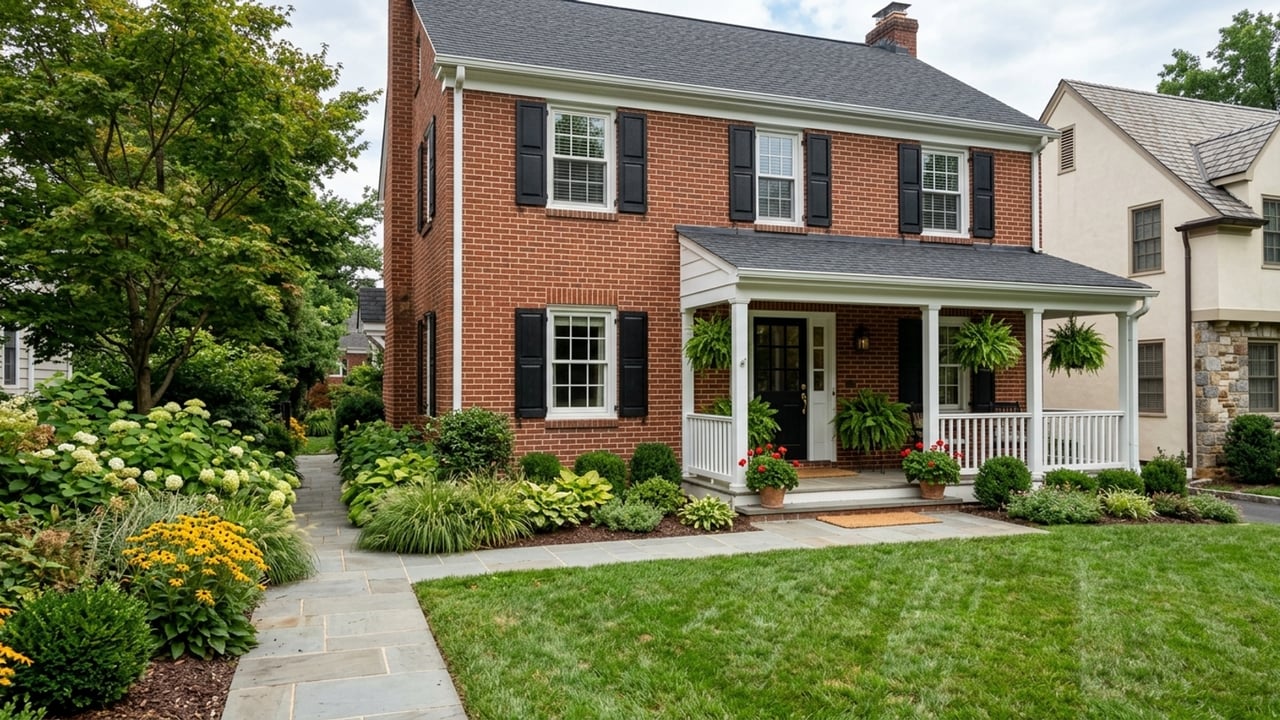
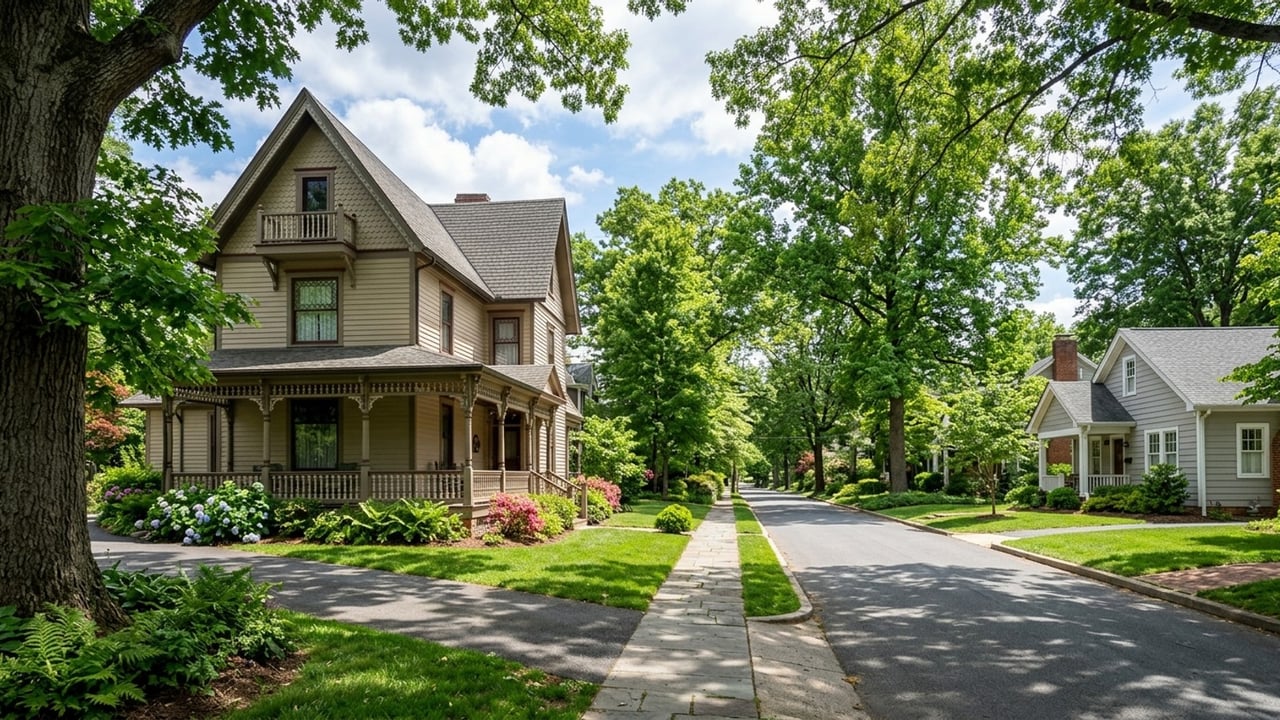
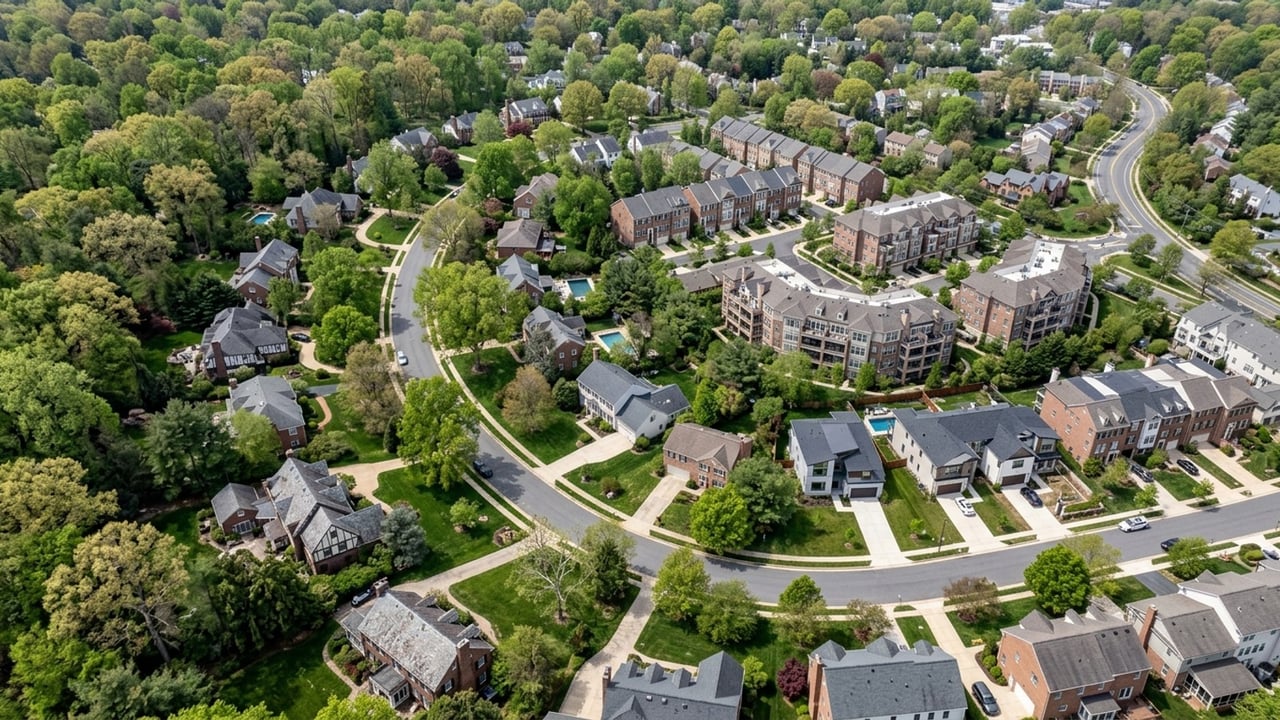
Bethesda runs the full range - condominiums near the Metro, dense townhome communities, and large single-family homes on lots further from the commercial center. You'll find new construction infill sitting alongside considerably older properties, sometimes on the same block.
Silver Spring offers a similar variety, just at different scales and price points. The downtown core has plenty of condo buildings, and the surrounding neighborhoods open up into single-family homes. If you're trying to stretch your budget toward more square footage, you'll likely find yourself looking at the neighborhoods that radiate out from downtown Silver Spring.
Commuting and Transportation Infrastructure
Bethesda sits directly at the interchange of I-495 (the Capital Beltway) and I-270, which gives you immediate highway access to employment corridors in Washington, D.C., Rockville, Gaithersburg, and Frederick. Daily commuters also rely on MD 355 (Wisconsin Avenue/Rockville Pike) and MD 187 (Old Georgetown Road) to reach Friendship Heights, North Bethesda, and the NIH/Walter Reed medical campus.
Silver Spring also borders the Beltway and has its own direct road networks into downtown D.C. Which one serves you better depends entirely on where your office is. Bethesda is the stronger choice if you're heading up I-270 toward Rockville, Gaithersburg, or Frederick; both suburbs offer straight paths into different parts of the district.
Public Transit Routes and Upgrades
Both suburbs anchor on stations along the Washington Metropolitan Area Transit Authority (WMATA) Red Line. Bethesda's Metro station is underground at 7450 Wisconsin Avenue, right in the middle of the downtown commercial district. Silver Spring's station functions as a major transit hub on the eastern side of the Red Line, incorporating MARC commuter rail and extensive bus terminals.
Bethesda has a significant upgrade coming. A new Purple Line light-rail station is under construction at the existing Metro site and is expected to open in 2027. That addition will connect Bethesda directly to the Green and Orange Metro lines, as well as MARC and Amtrak services further along the route. If transit connectivity matters to you, that's worth factoring into a long-term decision about Bethesda.
Local Amenities, Parks, and Retail
Downtown Bethesda's main shopping and dining district is Bethesda Row, an open-air retail hub a short walk from the Metro station. A few blocks away, the Woodmont Triangle - the area around Woodmont Avenue and Old Georgetown Road - adds another concentration of restaurants, local shops, and commercial spaces. It's a genuinely walkable area.
Silver Spring's downtown core has a different layout, with its own retail complexes and walkable streets. Both locations let you handle groceries, entertainment, and daily errands without getting in a car - which, if you've spent any time sitting on the Beltway, you'll appreciate.
Parks and Outdoor Recreation
Bethesda has direct access to the Capital Crescent Trail, a paved rail-trail for biking and walking that runs right into the Metro area. Residents on the outer edges of Bethesda also have access to Cabin John Stream Valley Park near Democracy Boulevard and Westfield Montgomery Mall.
Rock Creek Park benefits both suburbs. This National Park Service greenspace runs along the edge of the Beltway near Bethesda and cuts straight down through the county, putting miles of trails and paved paths within reach for residents on either side of the county.
Researching Montgomery County Neighborhoods
Montgomery County Public Schools manages the boundary maps and enrollment data for both Bethesda and Silver Spring. School assignments can shift based on capacity and county planning decisions, so don't rely on what a third-party real estate listing says - use the district's official online school assignment tool and plug in the specific address you're considering.
For safety data, the Montgomery County Police Department provides public crime mapping tools and statistical reports online. If you're comparing specific streets or subdivisions in either town, those municipal portals are the right place to look.
Frequently Asked Questions
Is it significantly more expensive to buy a home in Bethesda, MD than in Silver Spring?
Yes. As of mid-2026, Bethesda's median sale price is approximately $1.37 million, in a fast-paced market where homes often sell slightly above asking. Silver Spring's median sits at roughly $672,000 - a considerably more accessible entry point for buyers in Montgomery County.
How does the nightlife and walkability of downtown Bethesda compare to downtown Silver Spring?
Both have walkable downtown cores, but the commercial layouts are different. Bethesda centers its pedestrian activity around Bethesda Row and the Woodmont Triangle; Silver Spring's commercial density focuses on its own central downtown retail plazas. In both cases, you can reach dining and transit on foot.
Which suburb offers a faster Metro commute into Washington, D.C.?
It depends on where you're going. Both sit on the Red Line, but Bethesda gives you a faster ride to the western side of the district, while Silver Spring has the quicker trip to eastern stops along the same route.
Do Bethesda and Silver Spring share the same Montgomery County public school boundaries?
No. Both are part of the Montgomery County Public Schools system, but they're served by different high school clusters and local boundary zones. Check the official district website and verify the exact school assignments for any specific address you're considering.
Will I find larger lot sizes and more single-family homes in Bethesda or Silver Spring?
Both suburbs have single-family homes, but lot sizes and housing styles vary by subdivision rather than by town name. Bethesda has large single-family homes on mature lots outside its downtown core; Silver Spring has a wide ring of single-family neighborhoods radiating out from its center.
What is the biggest downside home buyers overlook when choosing Bethesda over Silver Spring?
The upfront purchase cost - and the property tax bill that follows it. Montgomery County applies its roughly 0.9% to 1.0% tax rate to the assessed value of the home, which means Bethesda's $1.37 million median price translates to significantly higher annual tax bills than you'd see on a median-priced home in Silver Spring. Buyers sometimes focus on the purchase price and underestimate what that gap looks like on a monthly basis, year after year.