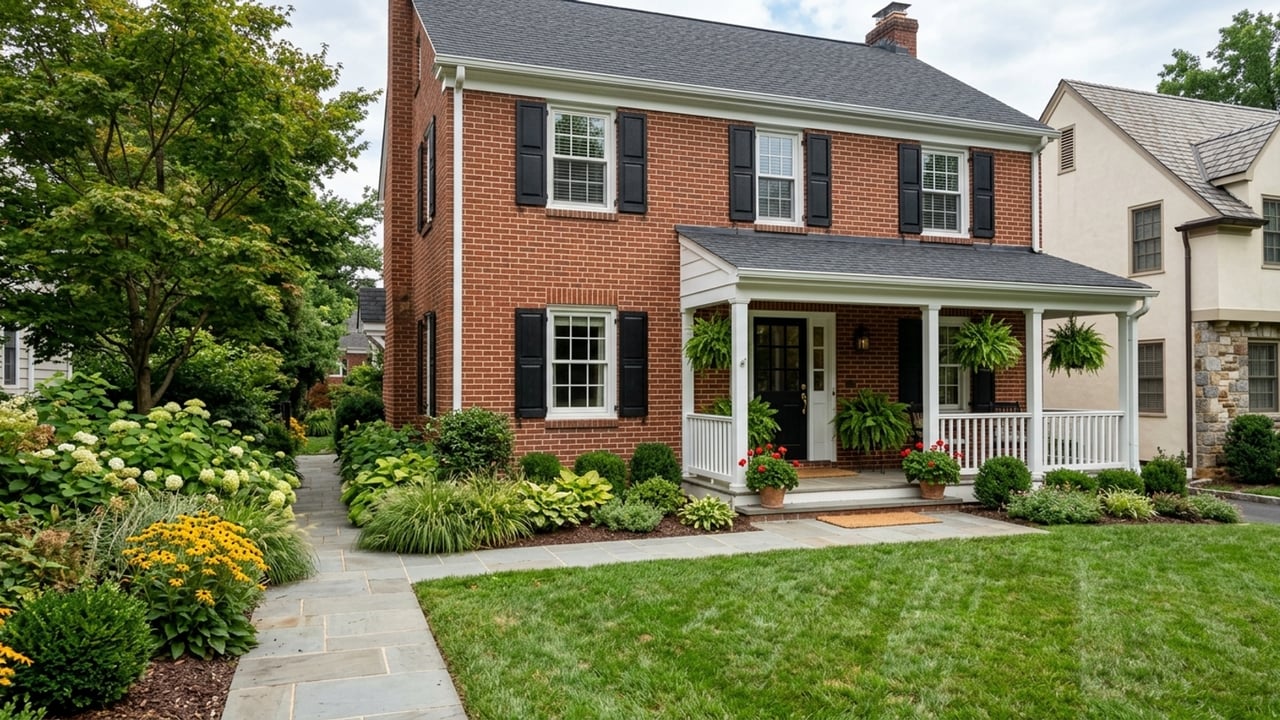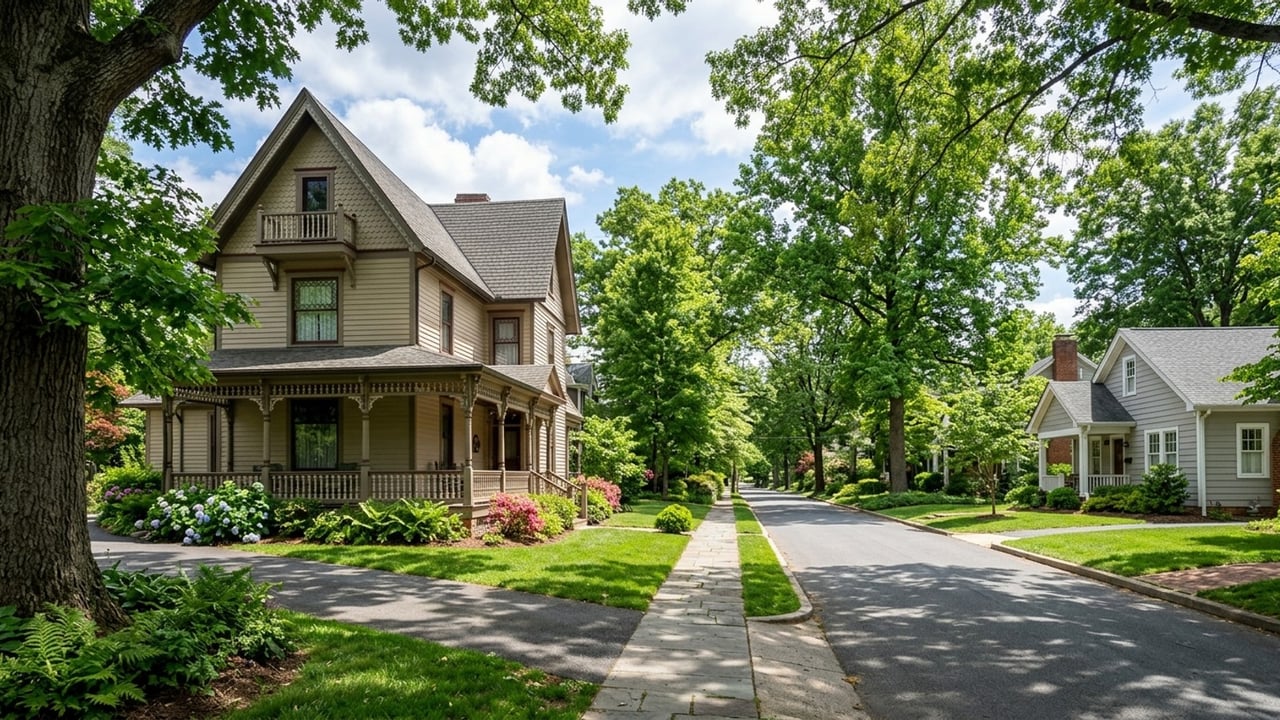
Bethesda, MD, sits just northwest of Washington, D.C., and it's one of those places where history and a very active housing market occupy the same space at the same time. Buyers looking into living in Bethesda, MD often want to understand how the area got from early settlements to where it is today - one of the most sought-after communities in the capital region.
That context is worth having. The local market moves fast, with homes selling in roughly 24 days, and a good chunk of what you're buying in many neighborhoods is tied directly to the historic districts and mid-century architecture that define the housing supply here.
Bethesda at a Glance
Bethesda is an unincorporated, census-designated place in southern Montgomery County, Maryland. No formal city government, no single official founding date - it grew organically over the centuries as the Washington metro area expanded outward. Its identity has always been shaped by two things: proximity to the nation's capital and its early role as a thoroughfare for travelers and traders.
Is Bethesda a City or a Town?
The dense commercial center fools a lot of people. Bethesda operates entirely under Montgomery County's jurisdiction - no mayor, no town council.
What that means practically is that local services, zoning, and property taxes are all managed at the county level. If you're moving from an incorporated city and you're used to dealing with a local municipal office, adjust your expectations before you close.
How Bethesda Got Its Name
The name traces back to the Bethesda Meeting House, a historic Presbyterian church complex on Wisconsin Avenue. Built in 1820 and rebuilt in 1850, it was the central gathering point for early residents, and by the 1870s its name had simply spread to the surrounding community. The original complex still stands and is recognized as a National Register of Historic Places landmark.
The Meeting House Legacy
Before the 1870s, there wasn't a unified name for the area - people referred to local crossroads or prominent farms. The establishment of a post office is what finally locked "Bethesda" into official maps and records.
The meeting house still stands along Wisconsin Avenue, which has long since transformed into a major commercial and residential artery. The contrast between that 19th-century structure and what surrounds it today tells you a lot about how compressed the area's history actually is.
Early Settlement and Growth Timeline
The Potomac River valley has been inhabited for a very long time. Artifacts found on the present-day National Institutes of Health (NIH) property include a hunting site that dates back over 3,000 years, left by Native American tribes who used the region for hunting camps. English colonists arrived at the end of the 17th century and established tobacco plantations across the rolling landscape. Fur trader Henry Fleet is documented as the first European to venture into the specific area that would later become Bethesda.
From Plantations to Suburbs
Through the 18th and 19th centuries, the local economy ran on agriculture and trade routes into Washington, D.C. The shift to something resembling the Bethesda people know today came with the construction of streetcar lines in the late 19th and early 20th centuries, which opened the area up to government workers who needed a reliable commute. Farmland became residential neighborhoods, and that commuter-driven demand has never really let up - it's still the underlying engine of the housing market here.
Historic Landmarks and Local Museums
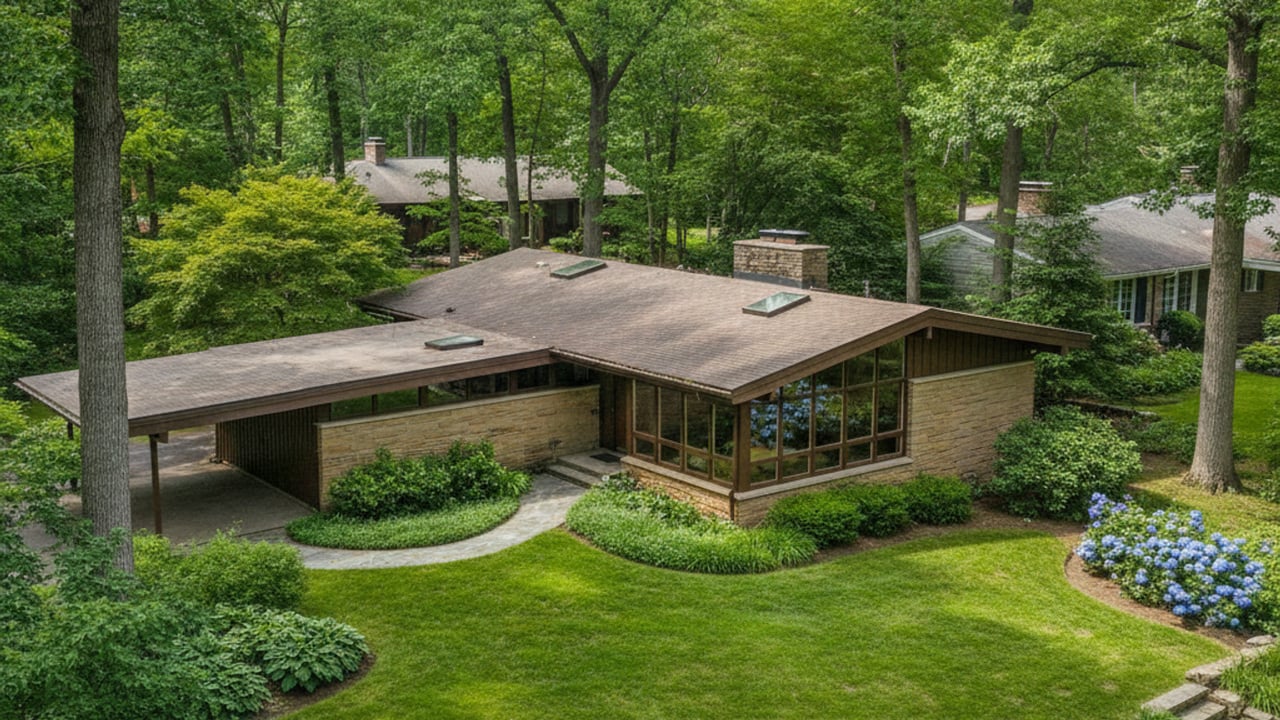
Carderock Springs, located in West Bethesda, is probably the most recognized historic district in the area. It was placed on the National Register of Historic Places in 2008 for its mid-century modern architecture and post-war design character. Edgemoor and Battery Park are two other notable historic residential areas that offer a look at early 20th-century suburban development. If you're drawn to older homes, those are the neighborhoods worth putting on your list.
Preserving Local History
Montgomery History - formerly the Montgomery County Historical Society - is where the documentary and material record lives. Located primarily in nearby Rockville, the organization preserves artifacts ranging from Victorian-era clothing to 19th-century furniture tied to Bethesda's development.
The Josiah Henson Museum & Park in North Bethesda covers a significant piece of local 19th-century history as well. For an area that has modernized as quickly as this one has, these institutions do real work keeping that record intact.
What Bethesda Is Known For Today
The median home sale price sits around $1,375,000, which tells you most of what you need to know about where this market sits relative to the broader Washington, D.C. metro region. There are approximately 236 homes in active inventory, and properties regularly sell above list price.
The community's identity extends well beyond real estate - the NIH is a major employer, and the density of dining and retail in the commercial core is substantial. Architecturally, the mix of mid-century historic districts and modern high-rises gives Bethesda a profile that genuinely doesn't look like everywhere else in the metro.
Buying in the Current Market
About 87 homes sold in a single recent month, which means steady turnover even at these price points. The average property spends just over three weeks on the market, so slow decision-making is a real liability here.
Knowing the history also has practical value. The zoning and preservation efforts that protect neighborhoods like Carderock Springs are a direct result of that National Register designation, and those protections are part of what maintains the architectural character - and the property values - in those areas.
Frequently Asked Questions
How can I find out if a property in Bethesda is part of a designated historic district?
You can check the National Register of Historic Places for recognized areas like Carderock Springs. Montgomery County also maintains public zoning and historical designation maps for unincorporated communities.
What renovation restrictions apply to historic homes in Bethesda, MD?
Properties in designated historic areas must follow specific Montgomery County preservation guidelines. You should consult the county's historic preservation office before making exterior modifications to homes in neighborhoods like Edgemoor or Battery Park.
What are the oldest historic neighborhoods in Bethesda for homebuyers?
Edgemoor and Battery Park are among the older established residential areas featuring early 20th-century homes. For mid-century architecture, Carderock Springs in West Bethesda is a prominent historic district.
Do historically significant homes in Bethesda carry higher property taxes or special fees?
Property taxes in Bethesda are assessed by Montgomery County based on current market value rather than historical status alone. Historic homes in premium neighborhoods often command higher assessments due to their location and market demand.
What common issues should I look out for when buying a pre-1950s home in Bethesda?
Older homes in areas like Battery Park may have aging plumbing, outdated electrical panels, or original single-pane windows. Buyers should schedule a thorough inspection to evaluate the condition of these historical systems.
Are there tax credits available for restoring a historic property in Bethesda, MD?
Montgomery County and the state of Maryland offer certain property tax credits for approved restorations of designated historic structures. Owners must complete the required application process and follow preservation guidelines to qualify.