In the Bethesda, MD housing market, the median home price sits at roughly $1,375,000, and homes are spending a median of just 24 days on the market. At that pace, buyers tend to zero in on list price and mortgage rates and treat association dues like fine print. That's a mistake - those recurring charges will follow you every single month you own the home.
Whether you're looking at a downtown high-rise or a suburban subdivision, you need to understand what you're signing up for before you make an offer. These assessments fund shared spaces and building infrastructure, but they vary wildly by property type and location. Knowing what your bill covers - and how to tell a well-run association from a poorly managed one - can save you from a very unpleasant surprise after closing.
Typical Costs for Homeowners Associations in Bethesda
For most townhomes and standard condominiums, you're looking at roughly $200 to $600 per month. That range covers the day-to-day operations of most mid-tier communities in the area.
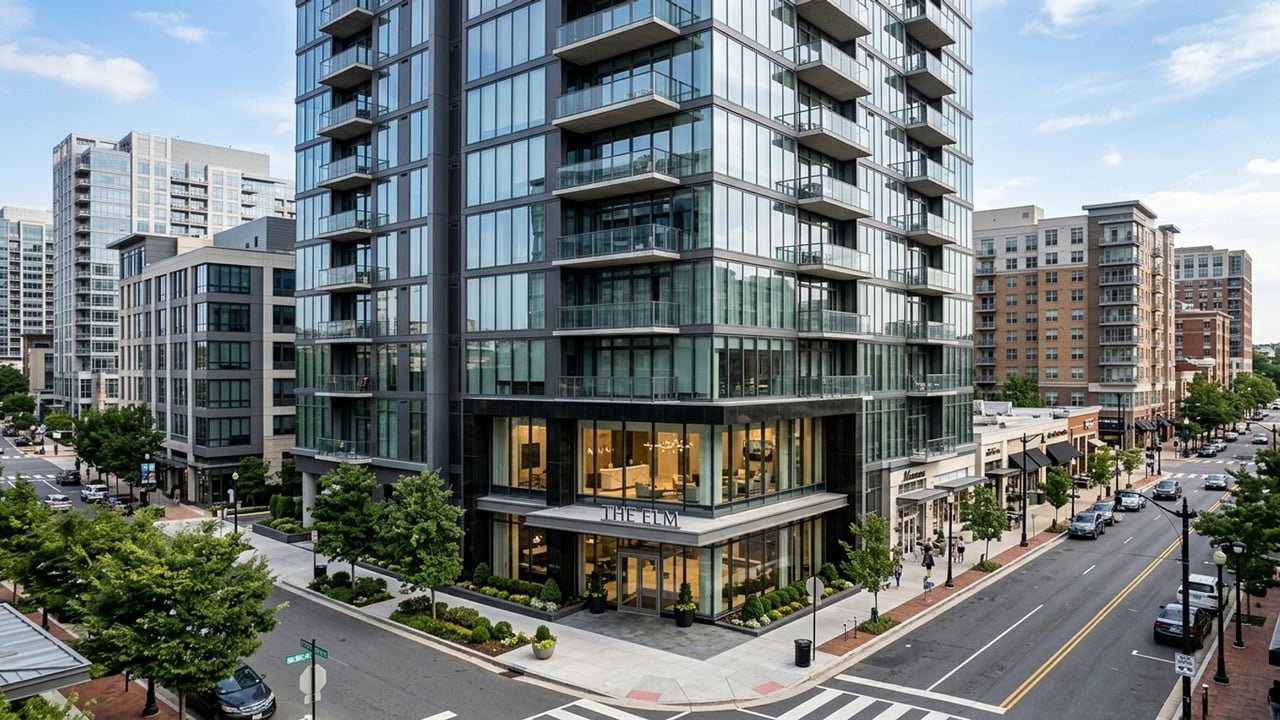
Luxury high-rise buildings are a different conversation. In prominent downtown buildings, assessments routinely clear four figures, reflecting premium amenities and the sheer cost of maintaining a large, complex building.
Standard Monthly Dues for Townhomes and Condos
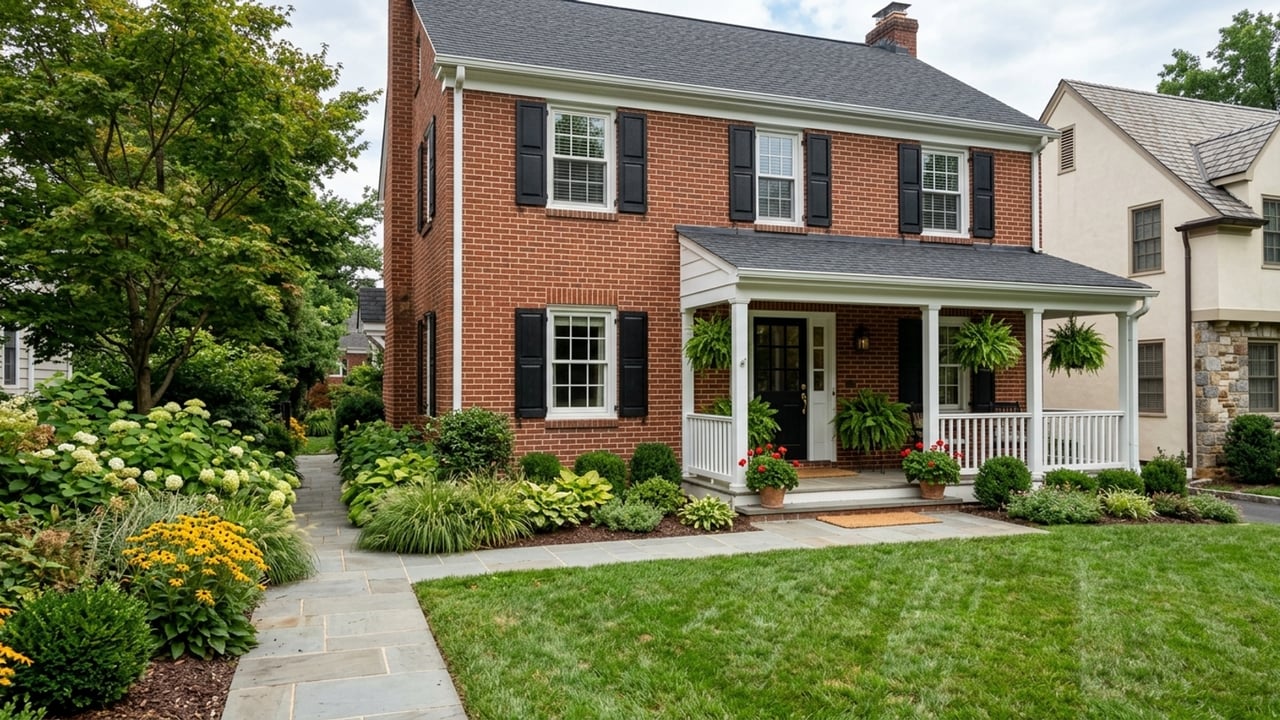
If you're downsizing in Bethesda and shopping for attached housing, plan on $200 to $600 monthly. That bracket generally applies to garden-style condos and standard townhome communities scattered throughout Montgomery County. Your specific bill will scale with unit size and the age of the development - older communities sometimes charge more to keep up with aging roofs and parking lots, while newer developments often open with lower initial assessments.
Luxury High-Rise Assessments
At The Adagio in downtown Bethesda, monthly fees typically run $900 to $1,800. The Wisconsin in North Bethesda charges between $900 and $1,200 per month. Those premiums pay for elevators, lobby staff, structured parking garages, and all the infrastructure that keeps a large building functioning. The larger your unit, the larger your share of those building-wide costs.
What Drives the Number Up or Down
It comes down to physical footprint and amenities. A neighborhood with a community pool, tennis courts, and private security needs a larger operating budget than a subdivision that only maintains a few entry signs. Management structure matters too - communities using professional, off-site management companies carry higher administrative costs than those run by volunteer boards.
Billing Frequency and Payment
Most condo associations in Bethesda bill monthly to keep a steady flow of operating cash. Single-family neighborhoods tend to prefer quarterly or annual payment schedules.
The frequency doesn't change how a lender sees it - they'll annualize your dues and factor the total into your debt-to-income ratio regardless. Monthly billing is standard for buildings with ongoing payroll and utility expenses. Annual or semi-annual billing is more common in detached neighborhoods where the association's only job is mowing common areas and managing a stormwater pond.
Modern associations usually collect through online portals via electronic funds transfer or credit card. Some communities still accept mailed checks or hand-delivery to an on-site manager. Either way, confirm the accepted payment methods and the late fee grace period when you review the documents - don't assume.
What Your Assessment Actually Covers
Your monthly fee pays for the upkeep of property that owners share but don't individually own. In a high-rise, that's the roof, elevators, and lobby. In a suburban development, it might just be a playground and some sidewalks. State law requires associations to maintain an annual budget split into two categories: the operating fund and the reserve fund.
Operating expenses are the recurring bills - landscaping, snow removal, trash collection, hallway and streetlamp electricity. In condo buildings, the operating budget often covers master insurance policies and sometimes basic utilities like water or gas. High-end buildings spend a significant portion on payroll for concierge staff, security, and on-site maintenance crews.
The reserve fund is the savings account. A portion of every payment goes toward future major repairs - repaving parking lots, replacing a community roof, overhauling elevator mechanics. A well-funded reserve means the board won't come knocking for an emergency cash call when a critical system fails. Always ask for the most recent reserve study and read it. It tells you whether the association is actually saving enough to cover what's coming.
What dues don't cover: the interior of your unit. If your HVAC fails or a pipe bursts under your kitchen sink, that's your bill. You'll also need your own insurance policy. Even if the association carries a master policy on the building exterior, you need individual coverage for your personal belongings, interior fixtures, and liability.
Cost Differences Across Neighborhoods and Property Types
Statewide data puts the average Maryland HOA fee between roughly $210 and $401 per month, which is billed separately from your Maryland property tax. Bethesda runs above that consistently, given its concentration of high-amenity condominiums and luxury properties.
In the downtown 20814 ZIP code, fees lean toward the top of the range. Buildings like The Adagio command $900 to $1,800 monthly to support their infrastructure and prime location. Move west into the 20817 ZIP code and you'll find a mix of single-family subdivisions and larger condo complexes like Westlake Towers - fees there depend on the specific building's age and amenity package rather than any neighborhood-wide average.
Basic single-family HOAs in Maryland frequently cost under $200 per month. There are currently around 188 single-family homes listed in Bethesda with no HOA fee at all, which means complete independence from a community board. Condo owners trade that independence for convenience - the steep fees in high-rise buildings reflect the reality that you're outsourcing all landscaping, exterior repairs, and amenity management to a third party.
Is the Association Charging Too Much?
High dues aren't automatically a problem if they fund a well-maintained building and real amenities you'll use. A low fee is actually the warning sign if the community is deferring maintenance and letting the property deteriorate.
The real question is what you're getting for the money - and whether the association is financially sound.
Red Flags in the Documents
A severely underfunded reserve account is the biggest one. If a board has kept dues artificially low for years by skipping reserve contributions, the current buyers will eventually pay for it when the roof needs replacing. Frequent litigation or a high delinquency rate among current owners is also trouble - if a large percentage of residents aren't paying, the board may have to raise rates on everyone else to cover the gap.
Weighing Cost Against Benefit
Look at the amenity list and be honest with yourself. Paying $800 a month for a building with a state-of-the-art gym, a pool, and 24-hour concierge service makes sense if those things matter to you. If you'd rather exercise somewhere else, that's wasted money. You should also calculate what's bundled in. A $500 condo fee looks different once you account for water, trash service, and exterior maintenance costs that other homeowners pay separately, which all factor into your overall cost of living in Bethesda.
Before you close, request the last year of board meeting minutes. Those notes often surface upcoming fee increases or deferred maintenance projects that aren't public yet. And check the governing documents on special assessments and fee caps - some declarations strictly limit annual increases, while others give the board wide latitude to raise dues as needed.
Additional Costs Buyers Should Expect
The monthly payment isn't the only number that matters. When you're buying into a governed community, you'll also encounter one-time fees at closing.
Under Maryland law, HOA and condo resale certificate fees are capped by statute. Total resale document packages commonly land in the $200 to $350 range. You may also owe a separate transfer fee to update the association's ownership records - national estimates for those administrative fees typically run $100 to $500, payable at settlement.
Many communities also require a capital contribution at closing, sometimes called an initiation fee. It usually equals two or three months of standard assessments and goes directly into the reserve fund. This is not a prepayment on your upcoming dues - it's a non-refundable entry fee designed to build the community's savings without putting the entire burden on long-term residents.
One more thing to sort out before closing: whether any special assessment is already approved. A special assessment is a temporary additional charge the board levies to cover a major expense the reserve fund can't handle - emergency structural repairs, uninsured storm damage, that kind of thing. If one is already on the books when you buy, you can often negotiate with the seller to have them pay the balance at closing. If it passes after you take ownership, it's your cost.
Frequently Asked Questions
What is the average monthly HOA fee for a home in Bethesda, MD?
Typical condo and townhome dues range from about $200 to $600 per month. Luxury high-rise buildings charge considerably more - some downtown properties assess $900 to $1,800 monthly.
How do HOA dues for downtown Bethesda condos compare to single-family neighborhoods?
Downtown condos charge significantly higher fees to cover building infrastructure and shared amenities. Basic single-family HOAs in Maryland frequently cost under $200 a month, and many detached homes in Bethesda carry no association fee at all.
What amenities and utilities are typically included in Bethesda HOA assessments?
Assessments generally cover exterior maintenance, landscaping, snow removal, and trash collection. In condo buildings, the fee often includes master insurance policies, water service, and access to shared facilities like pools or gyms.
How can I check a Bethesda community's HOA budget for upcoming special assessments before buying?
Review the resale disclosure package provided during the escrow period. It includes the current budget, the reserve study, and recent meeting minutes - which often contain discussions about upcoming special assessments before they're formally announced.
Is there a cap on how much a Bethesda HOA can increase its fees each year?
It depends entirely on the community's specific governing documents. Some declarations strictly limit annual increases to a set percentage; others give the board broader authority to raise dues as operating expenses require.
Can a homeowners association in Bethesda foreclose on my property for unpaid dues?
Yes. Maryland law allows associations to place a lien on your property for unpaid assessments and eventually initiate foreclosure proceedings to collect the debt. You need to stay current on your payments to protect your ownership rights.